×
  • Leading Digital Marketing Agency
  • 900+ Websites Launched
  • $100M+ Client Revenue Generated


    How to digitally market your cannabis business?

    buy weed online

    Legalization in Canada and many American states has set ablaze accessibility to those seeking herbs or hemp-infused topicals both medically and recreationally. That being said, while the cannabis industry is booming with new, innovative sectors, such as politics, finance, health, wellness, cosmetics, and even fashion, marketing cannabis to people looking to buy weed online can still prove to be quite difficult—especially if you are trying to use Google Analytics or paid advertisements through social channels like Facebook, Twitter, and Instagram. That being said, if you’re a cannabis connoisseur who’s wanting to grab your slice of the “edible” pie, then it’s about time that you learned the ins and outs of marketing cannabis.

    What is the advertising roadblock for cannabis?

    While Canada as a nation has legalized recreational cannabis, most of the world, including 19 states in the U.S., has made little to no progress in legalization. This means that social and advertising platforms have to limit their cannabis-related content and advertisements to appeal to places where it remains illegal. While marijuana prohibition is a real thing, there are things that you can do as a business owner to overcome these hurdles.

    There is a way to find organic reach

    Just because there are restrictions when it comes to advertising doesn’t mean there aren’t other ways that you can get the word out digitally for people to buy weed online. Since cannabis-related brands are hitting a block on paid advertising, they’re able to also try other digital marketing strategies, such as posting organically through various social media, taking advantage of the old-fashioned ways of public relations, or using SEO methods to get broader exposure.

    Cannabis marketing on Instagram

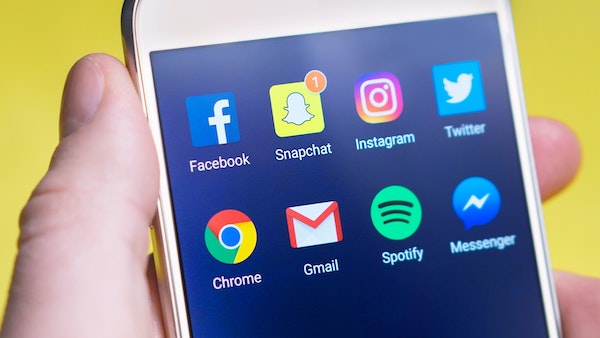
    Instagram is not only a platform for posting the most aesthetically pleasing travel and food photos, but it has also transitioned into an exciting digital mall. While most cannabis retailers aren’t allowed to cash in on this opportunity, that doesn’t mean that they can’t build their audience organically.

    Here are some Instagram tips:

    • Focus on your organic reach by establishing visually appealing photos and using popular/branded hashtags.
    • Be quick to respond to your customer concerns and comments.
    • Work with an influencer to create a word-of-mouth marketing scheme.
    • Utilize the stories feature to highlight promotions and unboxing events.

    Cannabis marketing on Facebook

    While Facebook possesses a stricter policy on the promotion or sale of drug-related products, there are still some ways that you can market your cannabis business.

    • Organic is always the first place to start; just keep at it on a regular schedule to create traction.
    • Use the messenger feature in order to enable a fast response time to your current and potential customers.
    • Promote exclusive deals and offers through your business page and your messenger app.
    • Use Facebook stories to highlight your products.

    What are the rules on the other popular channels?

    • Twitter: No paid promotions are allowed on Twitter, but you can start conversations through the use of trending hashtags.
    • Pinterest: Probably one of the strictest platforms, Pinterest does not allow the promotion of anything THC-related.
    • LinkedIn: Some paid promotions are allowed because it serves as a platform to report industry news. Although be sure to use strong visuals in order to grab your audience’s attention.

    Do you use social media to find a good place to buy weed online? Drop a comment below to let us know.

    How do you successfully strategize your SEO campaign?

    marketing strategies for SEO

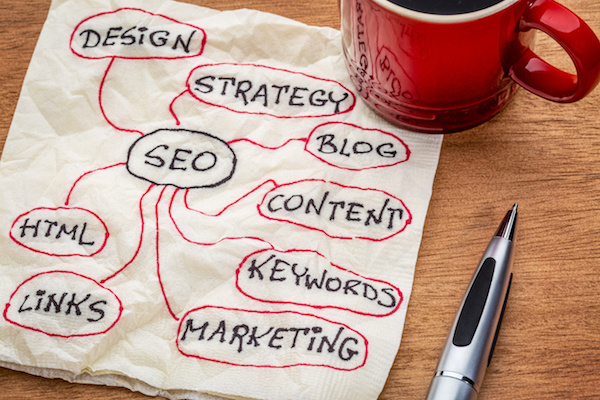
    While there are many branches of digital marketing that are vital in helping businesses grow, search engine optimization holds a next-level advantage. SEO has the power to utilize top search engines, such as Google, Bing, and Yahoo, through the use of organic and paid advertisements. This means that you have an opportunity to research relevant key terms in your industry and use them strategically on your website in order to have your business appear in an organic, online search. And, if it’s within your budget, you can also pay a marketing company to manage your SEO, allowing them to work on getting your website to the top of various search engines. However, while these marketing strategies for SEO have the power to bring success to your business, there are a couple of other ways that you can devise your SEO campaigns to bring your products or services a little extra traction.

    Update your content 

    In order to reap the benefits of your SEO strategy, it’s important to flag your target audience in a larger way. That’s where content marketing can come into play. While you can easily include industry-specific key terms on your home page or services description, if you’re hoping to have your business appear at the top of more search engines, applying this method to the entirety of your website will only prove to be more beneficial. Start by selecting a few popular products to target and then proceed by finding out which words people are using to search for these products online. The next thing you want to do is rewrite the meta descriptions and copy for your chosen topics. This will help your organic ranking on popular search engines by allowing customers to find your website with ease.

    Google AdWords is your friend

    If you’re determined to have your business appear at the top of Google search rankings, then you will need to utilize Google Adwords to get you there. While we mentioned the power of keywords when creating your content, Google Adwords allows you to bid on these industry-relevant terms in order to have clickable, paid ads that appear above the organic search rankings on a Google search. So, while you will have to pay Google when potential customers click through to your website from these ads, you’re giving yourself the best opportunity to get noticed without having to pay for social media or more traditional forms of advertising.

    While these marketing strategies for SEO have the power to drive customers to make purchases, there are many other digital marketing methods that could also benefit your company. Contact a member from our team to learn how email marketing, social media marketing, PPC advertising, or blogging services could benefit your business.

    How did you learn about the importance of marketing strategies for SEO? Drop a comment below to let us know your thoughts.

    3 ways to diversify your hotel marketing strategy?

    hotel marketing strategy

    The best part about operating a business within the travel and hospitality industry is that since we’ve entered an era where people are extremely co-dependent on foreign getaways, your business has a greater opportunity to thrive and be noticed.  While the opportunity to vacation abroad has always existed, for many people in contemporary society it was always beyond reach because of commitments like buying a home and starting a family. However, the dawn of this new era has unhinged an assortment of growth and opportunities for hoteliers worldwide. So, in order to keep up with the fast pace of the industry, you’ll want a strong, digital hotel marketing strategy in order to steer potential go-getters in your direction. Here’s how to get started.

    Customize and personalize your hotel brand

    With the technological development of social media, travelers are always on the hunt for an “Instagram-worthy” experience that extends beyond the traditional, cookie-cutter one that their peers may have already done. That’s why it’s incredibly important for you to capitalize on this concept when you’re formulating your hotel marketing strategy. This means that you should ensure that all of your digital marketing posts and campaigns highlight an assortment of authentic experiences so that your hotel seems like an edgy choice. Not only does this bring focus to the top things to do in the area, but you’ll also want to mix in some personalization when you’re trying to target a particular audience. For example, if you’re seeking out a millennial audience it’s best to connect with them by showing pictures of amenities such as a rooftop view or an attraction, such as a booze cruise, that can be easily added to their booking. However, if you’re targeting a more seasoned age range, perhaps highlighting relaxing luxuries like the pool and bar area would be a strong marketing tactic to try. Keep in mind that you want to represent your brand in a way that caters to all demographics in order to show that your hotel space is a spot that’s suitable for couples, families, business people and retirees.

    Get social

    We’re sure by now that you know how the power of social media has the ability to take a simple brand or idea and spread it vastly across the social sphere. So, why are you not taking advantage of this opportunity? You have the ability to can climb Google ratings through the use of marketing methods like SEO and also, by joining popular social channels like Instagram, Facebook, Twitter and LinkedIn, you’re able to gain access to a wider range of consumer demographics. This will allow you to establish a concrete sense of authenticity and build a solid foundation with your customer relationships. After all, engagement is one of the most advantageous ways to build trust within your brand and since all your competition is already on-board, it’s about time that you started getting social.

    Don’t forget about mobile devices

    The ability to browse and book through the use of your mobile is one of the most important ways for today’s travelers to find out about your business. After all, many potential customers are searching for hotel accommodation, carrying out bookings, receiving confirmations and tracking accommodation addresses and deadlines through the use of their booking website or app. That’s why it’s essential for your business to have a responsive website that’s easily available on all mobile devices. However, don’t forget about developing your traditional interactions as well!

    Are there other ways that you can diversify your hotel marketing strategy? Please drop a comment below to join the conversation.


    Why should you outsource your digital marketing?

    outsource digital marketing

    Investing in your digital marketing strategy is vital for the future of your business. After all, with the vast increase in online technologies, the ever-changing world of the internet is only expected to expand. While there are so many reasons that businesses outsource digital marketing rather than keep the projects in-house, the fact is that professionals come with an increased set of skills, the motivation to maintain a high level of performance, and some added industry knowledge in the field that can help keep your advertising costs low. While the right amount of resources and confidence is always a good starting point, there are many other arguments as to why you should keep outsourcing your digital marketing efforts.

    You get some extra tools added to your toolbox

    While business owners have an opportunity to take initiative by expanding on their own industry knowledge and skills, many are already keeping busy with their other fundamental, operational ventures. That being said, your digital marketing strategy shouldn’t have to take the backseat just because you don’t have the time. Essentially, when you outsource digital marketing, you’re handing over these imperative tasks to a professional who knows what they’re doing. These trained individuals are knowledgeable, possess an acquired list of relative experience, and come with a set of industry tools that can be used to implement, track, and obtain successful marketing results. That’s why working alongside a digital marketing firm is a powerful way to decrease your costs because you’re then able to pay these professionals for the exact amount of time needed to complete a particular campaign or task rather than scrambling to get it done yourself.

    You can bridge your knowledge gap

    While it’s quite possible for business owners to be knowledgeable and passionate about their products and services, it’s very likely that they don’t know the best way to reach out within their consumer market. That’s why it’s important to really recognize the skills and expertise that a marketing professional can bring to the team. Yes, you can read Google answers to your questions online or look for a how-to video on YouTube, but when you outsource these delicate tasks to someone who has specialized training, you’re ensuring that your approach is going to be more successful and effective.

    You will have more time

    Time is a valuable commodity in the business world. So, put simply, saving time saves you money. That being said, when you outsource digital marketing efforts to someone else, you’re able to clear your schedule for other high-demand tasks and allow yourself to work more productively without being sidetracked. Another advantageous element is that you’re able to concentrate on and complete your other marketing efforts, which in turn increases your business’s revenue. Your outsourcer is then able to create efficient marketing campaigns that will get traction and results.

    Are you still unsure of why you should outsource your digital marketing efforts? The best thing to do is to seek out a working relationship with a digital marketing agency. That way if you like the results, you’re able to move ahead, and if you don’t, then you can move on.

    How do you think that outsourced digital marketing can meet the needs of your company? Tell us in the comments section below.  

    What is Google shopping and how does it work?

    Google Shopping

    While there are many digital marketing tools that business owners can use to find advertisement opportunities online, investing in Google Shopping is a very advantageous way to display your product right at the origin of a customer’s search. After all, since many people use Google as their primary search engine when they’re on the hunt for a particular item, it seems like an appropriate way to get ahead of your competition. Needless to say, although Google Shopping is incredibly popular, it’s crucial to understand how this tool should be used to drive sales, leads, and overall website traffic.

    What is Google Shopping?

    Google Shopping is a service that’s provided by Google that allows customers to search for, view, and compare product pricing. It’s powered by two platforms, Google Merchant Center—where your product feed lives—and AdWords—where your shopping campaigns live, as well as where you set your budget, manage your bids, gain insights, and make optimizations based on the performance of the campaign.

    What makes it so unique?

    Google Shopping is quite a bit different from traditional text ads. The setup and management that trigger your ads are determined by the feed, the site, and the bids that you make. While there are some strong similarities to SEO, success in the field of Google Shopping boils down to the following areas.

    • Feed creation and optimization: The diversity of your product data, product images, and the price are all included in this area. After all, the more relevant your ad is to the searched keyword, the more likely that Google will display your product on that given search.
    • Bidding: If you bid too much, your campaign will not work efficiently, but if you bid too little, it will not be able to gain traction. When considering the amount that you’re going to spend, consider the price of the product, your profit margin, and the e-commerce conversation rate. Keep in mind that you want to make a profit, so it’s important to find a sweet spot where you’re able to slowly increase your bids over time as they prove to be profitable.
    • Monitoring and Optimization: An added benefit of Google Shopping is the ability to keep tabs on your campaign performances. It’s important to monitor your data frequently so that you’re able to make adjustments to your strategy throughout the cycle of the campaign.

    How does Google Shopping work?

    The best part about Google Shopping is that initially, you don’t have to pay anything. Once a Google user searches your key term, if they happen to click on your product ad, a payment will then be made. Following the click, the user will be directed to your online store in the hopes that they will follow through with a purchase.

    How can you set up Google Shopping?

    Before you’re ready to start promoting your products on Google, you will need to set up an AdWords account and follow a series of steps to launch your campaign. If this sounds too complicated for you, it’s best to speak with a digital marketing team that’s experienced with campaign management so that they can set up, launch, and manage your Google Shopping campaign moving forward. Best of luck!

    Are there any disadvantages with Google Shopping over other digital marketing advertisement methods? Please drop a comment below to start a conversation.

    Why great websites should include an SEO plan

    search engine optimization

    You can have a beautifully designed website and a stellar marketing team backing up your products and services on social media, but if your business’s website is lacking search engine optimization, it won’t be getting the attention that it deserves. Needless to say, if you understand the importance of SEO implementation, you’re well on your way to creating the right traction to get noticed in your niche industry.

    Why do so many e-commerce businesses lack SEO?

    There are many reasons that a startup e-commerce business may lack an SEO strategy:

    • They don’t have the extra income: There are a lot of costs that go with operating an online business, and it’s possible that when a company is just getting off the ground, they won’t have the extra funds that are needed for search engine optimization.
    • They don’t have the time: While this point is only applicable if they’re doing their own in-house SEO, if you’re a business owner who is juggling multiple tasks, it’s possible that SEO is something that can and will be forgotten.
    • It’s hard to keep up with the progression: An SEO specialist has the incentive to follow what’s changing in the landscape of the industry, whereas a business owner may find it hard to know all the ins and outs of search engine optimization.
    • You don’t have the resources: Small businesses aren’t able to invest enough into the tools that may be needed, such as better analytics, keyword research, reporting tools, and conversion optimization tools. 

    Design your website with SEO in mind

    Regardless of whether you already have a fully functioning web design or if you’re in the process of starting one from scratch, just keep in mind that there are always ways you can keep your design SEO-oriented. That being said, the most important thing you can do is to build a plan for how your target audience is going to notice you. Creating brand awareness should be an essential part of growing your business, and your SEO strategy is crucial when it comes to generating leads. So, if you want your website to flourish, consider content marketing. Content marketing entails many digital marketing elements, such as blogging, creating videos, and sharing social posts across your channels. Consider using this as an opportunity to flaunt your SEO knowledge and use industry keywords within all of your content to increase your chances of being ranked organically on various search engines.  

    So, why should you invest in SEO?

    You already know that there are tons of companies out there that are competing with you that also have products just as innovative and budget-friendly as yours are, so why wouldn’t you want to invest in the opportunity to stand out from the competition? SEO allows you to design and create content using industry-specific keywords. Then you’re able to start attracting traffic from people who are already interested in what you’re selling. After all, they typed in a particular set of words, and BAM there was your site conveniently awaiting their future click. So, now instead of only being an information portal, your website is a place where people can come to find exactly what they’re looking for.

    Do you have any positive experiences with search engine optimization? How has it changed the ranking of your business? Tell us in the comments section below.

    Which social media channel will attract your target audience?

    social media marketing

    It won’t matter how creative, innovative, or aspiring your product or service is if it’s not being marketed to the right target audience. Many business owners make the mistake of taking over their own marketing efforts when they first start out. Although they should never feel discouraged to learn and grow in their in-house abilities, working with a professional digital marketing team will allow them to persuade and engage with their customers in a receptive way. After all, instead of simply marketing to anyone and everyone, a team in charge of your social media marketing strategy will start their efforts firstly by breaking down your target audience and curving the appeal towards that demographic. So, if you want to get noticed in your industry, you must first work towards identifying which social media channel will attract the right customers for you.

    Who uses Facebook?

    Facebook still holds onto first place as the most widely used social media platform across the world. With a monthly log-in of over 2.23 billion users, 30% of whom are aged between 25 and 34, beginning your social media marketing campaigns on Facebook is always a safe bet. Once you create your business page, remember to post regularly, promote your page, engage with your followers, and contrive your page layout and content to appeal to your target audience. After all, if you’re hoping for a high level of engagement, your Facebook profile needs to be geared to attract the right shoppers.

    Who uses Twitter?

    The nice thing about Twitter is that the demographics of its users tend to possess a smaller age gap in comparison to the vast age range of Facebook users. With roughly 326 million people engaging on Twitter monthly, 37% of users are between 18 and 25, while 25% of them are 30 and 49-years-old. This means that young adults make up over 60% of the audience on Twitter. So, if your product or service would appeal to this age range, it might be worth setting up a Twitter account and regularly tweeting to the users, compelling them to click.

    Who uses Instagram?

    Instagram has quickly made its way to being one of the most active social media channels worldwide, especially among young women. This photo-sharing smartphone app is plentiful within the millennial generation (1982 – 2004) and allows business owners to get a little creative by sharing enticing visuals, using engaging hashtags, and taking advantage of the story feature to promote their business. Considering so many people make purchases based on things they see through their Instagram feed, it’s a great way to exploit social media marketing to get your products or services noticed.

    What are a few tips to help attract your target audience?

    Now that you’ve narrowed down your essential social media platforms, you might need a little help reaching out to potential shoppers. The following tips can help you to entice your business’s target audience.

    • Survey your customers to find out what they like
    • Determine your audience size do you know how often to post
    • Find a connection to your audience
    • Reach out to customers through the use of other social media groups
    • Tailor your content to appeal to your audience
    • Balance out your content plan to include something for everyone
    • Use visual quotes for motivation
    • Boost your content with promotional posts
    • Share education content from within your niche

    Which social media channel do you use to target your company’s demographic? Tell us in the comments section below.

    3 ways you can digitally market your travel brand?

    travel marketing

    Since pretty much everyone loves when they get to escape on a dream vacation, it may seem silly that you need to put effort into travel marketing at all. However, spring is the time of year when many people start their researching and booking for upcoming getaways, and you want your travel brand to stand out from the rest. Whether you’re gearing towards an audience looking for a budget hotspot, some family-friendly deals, exotic flight packages, or an easygoing cruise line, you need to be equipped with the right advertising tools to stand out above your competition. That being said, do you know of any digital marketing weapons that you can use to win over consumers?

    Email marketing

    Email marketing is a great digital marketing tactic to use if you’re wanting to create some noise about your travel brand. So, if you possess a subscription list, perhaps it’s time to start sending out some emails to inform potential customers about any exciting buzz or promotions that your company has going on. Not only is email marketing an effective way to improve sales conversions, but it also helps to improve brand awareness, build a relationship with your ever-growing audience, and increase visibility within your industry. Start your email marketing strategy by sending out two carefully crafted emails per month. These emails could include a special promotion code that will give them a discount if they proceed through with a booking or even a simple email highlighting some of the excursions your brand may be offering at a hotspot destination. If you sell products rather than accommodation services, endorsing a sale is always an effective way to stimulate your marketing strategy.

    Social media marketing

    Social media marketing is one of the easiest, most stress-free, and most profitable digital marketing platforms that a business can use to increase their visibility. Needless to say, if you possess time constraints with managing the social strategy of your travel brand, you may be missing out on heightening the experience of your target audience. Successful travel marketing is all about advertising through social channels. Whether you’re geared towards customers on Instagram through the sharing of a creative video story or you post insightful, relatable memes on Facebook about flight delays, each social media channel has something very unique to offer your brand. Don’t miss out on the channeled potential of your business by not utilizing social media marketing!

    Blogging

    Although blogging should be a digital marketing must, it’s often an overlooked element even though it’s probably the most effective way a business owner can build brand awareness. People who enjoy travel usually also enjoy reading and researching all about their aspired destinations, which is why you’re able to utilize this to create relevant and useful content geared towards your target audience. If you’re a suitcase company looking to sell your luxurious products to upper-class businessmen, then perhaps you could write an article such as “15 things every businessman needs to pack into his suitcase,” outlining how easily it would fit into whichever model(s) you’re wanting to promote. On the other hand, if you run a cute Bed and Breakfast in the Amalfi Coast of southern Italy, then perhaps you could write a story about authentic Italian cuisine, highlighting a few local vineyards and cafes that are must-visits for travelers coming to that particular region. Blogging is all about telling your customers a story without sounding too pushy. It also allows you to create a connection and assert your knowledge within your niche.

    Have you found any of the above suggestions effective for your marketing strategy? Tell us in the comments section below.

    Aside from SMM, how else can you build brand awareness?

    brand awareness

    When it comes to creating brand awareness, social media marketing is a powerful tool that many businesses use to utilize their influence. However, although various social media platforms possess vast advantages to reach a company’s target audience, when it comes to building a brand, the more you diversify your strategy, the quicker and more effectively you will be able to spread the word. That’s why, in addition to SMM you may also want to consider the following effective brand building options.

    Blogging

    While blogging can take a long time to generate traction in terms of conversion rates, it has the ability to help spread brand awareness. Not only is blogging a free and easy tool to use, but when it’s done right, it can be an extremely powerful way to draw customers to your e-commerce website by educating the general public and creating a connection to potential buyers through the expression of your niche expertise. That being said, blog posts should follow a regular blogging schedule and discuss an array of subjects, such as upcoming promotions, how to use your products, and other various industry discussions that are taking place on social media platforms or in the news. Blogging isn’t just a weekly journal; it’s a tool to establish a professional feel with your target audience.

    Email Marketing

    Email marketing is a marketing strategy that’s known for its intense ability to generate sales. After all, people are constantly checking their emails, and if they receive an exciting, generous promotion, it may give them that little extra nudge to finish placing their aspired orders. That’s why you should offer an email subscription as a way to build up your brand awareness and as a reward to your loyal customers. Email marketing allows subscribers to receive sales, promotions, and giveaways as well as establishes a strong, branded connection between the business and each individual customer.

    The Extras

    While social media marketing, blogging, and email marketing are all insightful digital marketing tools, there are a few other options that you can use to help assist with your brand awareness.

    • Enhancing your customer service: Customers are the beating heart of your business, and although having quality products and good marketing is important, an active voice in dealing with questions and concerns will also help you to gain an enhanced brand reputation.
    • Knowing your target audience: Although you want anyone and everyone to buy your products or services, knowing the demographics, values, and needs of the audience you’re targeting is essential if you’re going to be able to effectively build your brand. Reaching out to your target audience will create a “quality over quantity” approach to your digital marketing strategy.

    Are there other tactics that you’ve personally used to build the brand awareness of your company? Tell us in the comments section below.

    Two effective ways to strategically market law firms

    marketing strategies for law firms

    Living in a world that is increasingly connected through the use of the internet has forced businesses to change their way of reaching their target audiences or simply disappear with the times. So, just like other marketable businesses, the legal profession is changing its advertising dynamics in order to resonate with the ongoing trends. This is why if you’re hoping to successfully boost your online campaigns you should take a look at these marketing strategies for law firms.

    Use pay-per-click marketing

    Pay-per-click marketing (PPC) is a business model that allows you to create innovative ads and place them on various webpages and platforms with the hopes of directing the traffic towards your business. Whenever a potential customer clicks on the displayed advertisement, the host website will then charge the business owner according to their agreed-upon budget limit. Google Ads, Facebook and LinkedIn are a few host platforms that are able to extend business popularity by attracting a new, attentive audience. The reason that PPC advertising should be one of the many marketing strategies for laws firms is that it allows you to reach the people out there that are searching for your service before they are reached by your competitors. Also, over time you’re able to analyze all of your campaigns and refine your approach based on the information that’s provided by the click-through rates and conversions.

    Use social media

    You probably hear this all the time, but social media is the powerhouse behind any digital marketing strategy and it would be silly not to use it to develop a relationship with your clients. We recommend starting your new social strategy by regularly posting content that you feel would interest people who enjoy all aspects of law, who have/are studying law and maybe even those seeking help with legalities. It’s best to do this through the use of a social media calendar in order to provide consistency with your page. Then, engage with your followers through conversations, comments and emojis, answering any questions they have promptly and efficiently. This will help you to gain trust with them on a professional level. The best part is your social media channels also offer you analytics which shares what times your audience is most active and which posts are gaining the most traction. Then you’re able to gather some notes and optimize your time so that you can dedicate a reasonable amount of it towards your social strategy. After all, marketing strategies for law firms should include the facets of many social media platforms in order to build an online presence and uncover new leads and clients.

    A digital marketing company can help you get started on either of the above state-of-the-art digital marketing strategies.

    Have you been successful in marketing your legal practice using other digital marketing strategies? Drop a comment below to share with our readership!