×
  • Leading Digital Marketing Agency
  • 900+ Websites Launched
  • $100M+ Client Revenue Generated


    Performance marketing: What is it and why should you care?

    Although many tools facilitate how to plan, track, and optimize digital marketing campaigns, measurable actions are best handled by those who know how to understand the data. Not only does this further the insight on how, when, and where to allocate a business’s spend but it allows businesses to be vigilant on what’s most important. Listed below is our summary of performance marketing and why you should care.

    What is performance marketing? 

    Performance marketing is an umbrella term that’s used to describe any online marketing activity that can be tracked and attributed to a specific action and/or result. 

    There are three main types of performance marketing payment models:

    • Percent of sale: The advertiser pays a commission on each sale generated
    • Leads: The advertiser pays a commission on each sale generated
    • New customers: The advertiser pays a fixed amount for each new customer acquired

    There are also situations where performance marketing models become hybrid and encompass many payment types. 

    Performance-based marketing tactics such as paid—where advertisers only pay when a user clicks on an ad—are not performance marketing. While pay-per-click advertising, also known as PPC, campaigns focus on action—the ad click—they don’t always lead to performance-based outcomes such as sales or sign-ups. 

    Why do businesses care about performance marketing?

    Since performance marketing opens up opportunities beyond traditional marketing, it’s important to focus on web destinations and creators across various digital landscapes. With platforms that help to bridge these relationships by offering means of measuring goals and compensation, businesses can achieve desired results through the assistance of performance marketing. 

    Who uses or works with performance marketing tools?

    Since performance marketing is data-driven, it’s best handled by digital marketing professionals. However, many people can utilize its strategy. 

    • Marketers plan and execute performance-based campaigns
    • Publishers track performance and get paid for results
    • Influencers find opportunities, set goals, and measure performance
    • Advertisers find publishers and influencers to work with

    How reliable is performance marketing? 

    While performance marketing is a critical strategy that offers advertisers the insight they need to run campaigns successfully, digital fraud is something that shoppers, 

    business owners, and advertisers need to be aware of this.

    Why does ad fraud happen?

    • Bots simulate real user traffic on the website to generate ad impressions
    • Invalid traffic is generated by humans who click on ads to deplete a competitor’s budget
    • Fake websites are created to inflate impressions
    • Domain spoofing imitates a premium website to sell fake inventory

    Since performance marketing campaigns look at actions rather than metrics, the best way to ensure validity in the actions you pay for is to hire a professional agency to manage your digital marketing services. This ensures that the leads you pay for are real people who have been contacted and are interested in what you’re selling. 

    What did you find most interesting about the above blog? Please leave a comment below to start a conversation.

    3 digital marketing services that help online businesses boost sales

    Regardless of whether you run a small, medium, or large-scale business, you will face competition in an ever-growing market. While your company may be unique in your eyes, there are others that cater to similar wants and needs, which means you’re forced to find ways to stand out. There are many digital marketing services that act as pillars to granting success for online businesses by building brand awareness, leads, sales, and boosts in revenue. Here are three digital marketing tools that you should leverage to boost website conversion within your sector. 

    Email marketing

    While some people might argue that email communication is outdated, rest assured that it’s very alive and well in the world of e-commerce. As the oldest form of electric communication, it remains the most effective way to reach customers, both past and prospective. However, the trick to successful email marketing is to build a list of contacts who are interested in engaging with your brand. 

    Since many entrepreneurs need time to focus on other needs within their businesses, agencies like Trek Marketing offer an email marketing service that is created and managed by a team member. This service includes: 

    • Email strategy and audit
    • Email campaign management
    • Email marketing automation
    • Email template production 
    • Subscriber management and maintenance
    • Creative design and copywriting
    • Deliverability optimization
    • Analysis and reporting of campaign performance

    If you think email marketing is right for you, click here to email a team member and get started. 

    Social media marketing

    With so many channels available to effectively market to your customers, investing in social media marketing is a no-brainer for business owners these days. Also known as SMS, social media marketing utilizes a variety of platforms to interact with customers, including popular options like Facebook, Instagram, Twitter, and LinkedIn. While communication is key to building your brand, SMS also helps to increase sales and drive website conversions and traffic. 

    While posting on social media is easy to do, it’s the strategic posts that successfully reach your growing audience. If you need help expanding your social reach between platforms or figuring out the preferences of your customers, allow Trek Marketing to extend its social media marketing service to you and your business. This package includes: 

    • Proactive customer engagement
    • Targeted follower/like growth
    • Improved search engine rankings 
    • Custom curated content
    • Regular posts and management

    If you think social media marketing is right for you, click here to email a team member and get started. 

    Content creation

    Not only does content allow you to tell web visitors about what your business does but it also allows you to gain a place among other popular search engine rankings. Content marketing can include posting an industry-related topic on your blog or simply updating product and service information to provide quality copy that helps web traffic roll in. 

    Since writing is a skill that requires a lot of time and effort, it’s often the first task that is outsourced to a digital marketing agency. Get the right content in front of your audience by relying on Trek Marketing to do it for you! This service includes: 

    • Taking professional product or service photos
    • Researching and writing blogs
    • Creating landing pages 
    • Updating product and service descriptions
    • Researching search engine keywords and incorporating them successfully into popular landing pages

    If you think content marketing is right for you, click here to email a team member and get started. 

    Which of the above three services would you prefer to outsource? Drop a comment below to share with other readers.

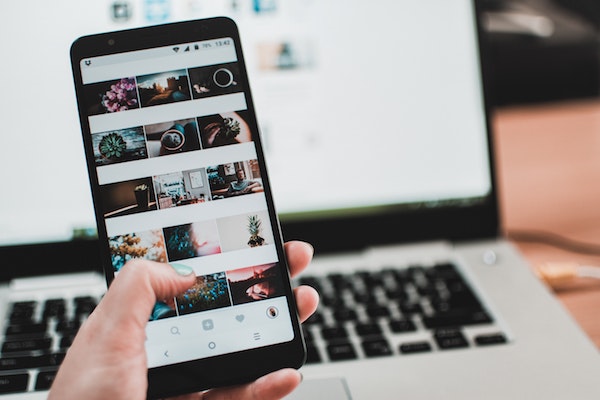
    How often should business owners be using their Instagram account?

    How often businesses post or share on Instagram is entirely dependent on what their company goals are. While a good rule of thumb is to schedule a post to publish at least once a day on average—with some added time needed to respond or like the comments—there are many other elements that should be considered when you’re in charge of managing this trendy social channel. For example: Is your business hoping to increase its following? Is having a high engagement rate the most important to your brand? How about meaningful content over sales-based content? The blog below offers businesses an opportunity to better understand Instagram’s influential platform by sharing in-depth insights that will better assist entrepreneurs that manage their social media. 

    What’s Instagram and why do businesses need it?

    Arguably the most popular form of social media, Instagram is a photo and video-sharing social networking platform that’s designed to only be used as a smartphone app. Founded in 2010 and recently acquired by Facebook Inc., the app allows its users to upload media, add filters and edits, and then organize them via hashtags and geographical tagging. 

    If you don’t already have an Instagram account for your business, continue reading to learn about the benefits below:

    • Instagram has a huge audience: With so many eyeballs on the platform each day, it’s important for businesses to strategize their online presence. 
    • Businesses of all sizes thrive on Instagram: While well-known brands have a thriving presence, small businesses can also reach their target audience by keeping an active presence and maintaining a practical posting schedule.
    • Businesses can make money directly from Instagram: Having evolved from on-platform e-commerce sales, Instagram allows users to shop and purchase directly from brands through Instagram. 
    • Businesses can relate to the consumer via the Instagram stories feature: Photos and videos are a fantastic opportunity to show potential customers that your products and services deserve a lasting impression. Be sure to include behind-the-scenes insights like employees’ packaging orders. 
    • Businesses can effectively engage with customers: The Instagram platform allows users to like, comment on, and share their favourite posts—it’s safe to say that the more interactions that are happening on your post, the more visible your company becomes. Be sure to engage with your growing audience by answering their comment and story questions. 

    If there’s anything that ties the above benefits together, it’s that more people are paying attention to Instagram than ever before, and you’re ignoring millions of potential customers by being a business that does not effectively manage social media on Instagram. We employ you to take the tips you learned here and use them to build your online presence or hire an agency that can help your business grow via Instagram—start with just one post a day and see where things go!

    Are you a huge fan of Instagram? If so, what’s your favourite feature? 

    Why is it so important to produce great content for your website?

    Since the very popular phrase “content is king” was first coined in 1996 it has continued to connect online customers with their preferred businesses. While it may seem like visual aids have quickly overtaken the written word, if you wish to be successful in marketing your products and services to the masses, a content marketing strategy that works to develop ongoing copy throughout your website is what will help attract consumers, keep them involved, and coming back.

    What is content marketing and how is it strategic?

    Put simply, content marketing is a type of digital marketing strategy that focuses on creating and sharing consistent and relevant content. With a well-planned content marketing strategy—page creations, long-form text, and researched keywords—businesses can ensure that customers remain engaged while targeting a new audience of prospective shoppers. Not only does this approach drive profitability but it allows you to assert your knowledge in your industry among your competition. 

    What are the benefits of having a content marketing strategy?

    Good quality content isn’t simply about slapping copy to the page to racking up your word count, it’s about consistency and making a lasting impression on your audience. 

    Here are some reasons that a content marketing strategy is beneficial for your brand:

    • It allows you to establish a style, feel, and tone that speaks to your audience
    • Knowledge of your industry earns trust and respect for your business
    • The higher your rank via search engines, the easier it will be for shoppers to find you—targeting a wider, new audience
    • Customers are entertained and more fulfilled, building a relationship with your brand
    • It’s a cheap way to boost brand loyalty and create awareness 

    Since creating content from scratch takes time and requires a degree of experience to ensure that it’s search engine optimized, you should consider hiring an agency to perform the following content-related tasks:

    • Write step-by-step and how-to guides that can be used on your product and service pages
    • Update product descriptions and other important landing pages
    • Upload visual and promotional content that’s engaging and informative
    • Offer brand comparison to instill trust with the consumer
    • Write entertaining blogs that possess educational value

    Is your website’s content king? Drop a comment below to ask about getting on board with Trek Marketing’s content creation service. 

    Boost your brand’s visibility using PPC

    While many digital marketing services aim to increase business brand awareness, pay-per-click (PPC) advertising is a unique technique that stares consumers in the eye. Since awareness is about getting your brand in front of the right people, PPC is kind of like the billboard of the digital world, and the best part is that unless the right shopper sees it and clicks, you don’t pay for that campaign. Plus, you can set a daily budget, so there are no hidden costs to run your next PPC advertising service. Continue reading to learn more about PPC and its connection to brand visibility. 

    What is brand awareness and why is it important?

    Brand awareness is a phrase that’s used to describe how recognizable your business is in the noisy online world. It’s the extent to which customers can recall or reconize your brand under a variety of conditions. As a crucial step in the marketing funnel that will help your business acquire and maintain customers, brand awareness is a huge part of what drives consumer decision. Familiarization differentiates your brand, establishes trust with the customer, and creates a positive association which in turn, will increase your sales and conversions.  

    How does our PPC advertising service work to boost your brand’s visibility?

    PPC works to increase brand awareness by introducing your business within ads that your target market sees. This is the space where you can present an introduction of your brand to your customer base and hopefully creating a lasting impression. Whether it’s click-through rates that are important or physical sales, you can analyze your PPC campaign over time and modify your goals as needed. The best part is you only pay for the people that click on your ad and a daily budget can be set. 

    Tips for growing brand visibility using our PPC advertising service

    There are many creative opportunities that come with growing brand awareness, but the ultimate goal is to build a reputation with your target audience that eventually leads to driven sales. This means that strategic decisions need to be made to keep things moving forward. 

    Here are some examples: 

    • Know who your target market is
    • Understand the habits of your target market
    • Diversify your ads
    • Research and use the right keywords and phrases
    • Add a flair of creativity
    • Include the right information 

    Boosting your brand’s visibility is right at your fingertips with our PPC advertising service!

    Do you have any other questions about how PPC advertising works? Please drop a comment below for a prompt reply.

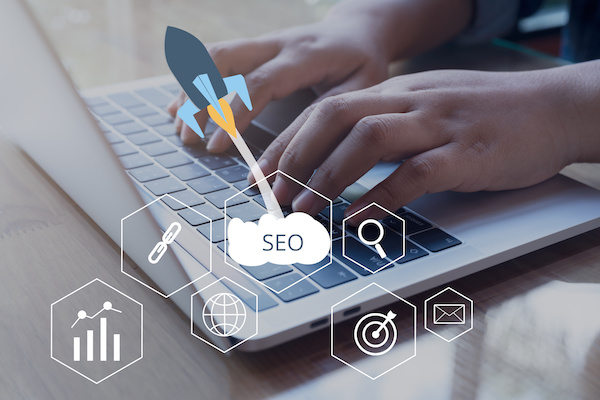
    6 ways to rank higher using SEO

    You can invest ample time and money into building your e-commerce site, but if customers are unable to find it in the maze that’s online shopping, it will just be another platform lost in a sea of neverending content. Search engine marketing helps businesses to optimize their content for better-searching power on websites like Google, Bing, and Yahoo so that customers find the sites that best meet their needs. While this can be done by using trending keywords, there are other ways to generate traffic and sales. Here are some tips that will help you to rank higher in online searches.

    Find and use the right keywords

    While it’s always best to use a keyword tool to appropriately calculate which keywords your potential clients are using, you can start the process by putting yourself in their shoes—What would you search for? By creating a list of phrases and words that you think shoppers would use to find your products and services on the web, you’re eliminating the guesswork involved. After building your list, you can then validate your suggestions to ensure they’re the best options. You can then use the keywords that you’ve narrowed down to create pages that rank higher when prospective customers search using said keywords.

    Be unique over your competitors

    Business and competition go hand-in-hand, so if you want to rise above your industry, you will need to use words that make your company stand out. For example, phrases like “near me” or that utilize geographic location harness a lot of power within local communities. It’s also great to use phrases such as “on a budget”, “savings”, and “best” alongside popular keywords to differentiate your low prices and quality products. 

    Don’t abuse keywords

    Although utilizing keywords is a great way to attract online attention, you should consider making landing pages that best appeal to search engines rather than having keywords sprinkled everywhere throughout your content. This is because overuse of keywords risks distorting the meaning and can irritate select shoppers who read lots of content. While traffic is important, it’s equally as important to ensure that your text is clear and easy to read. 

    Build lots of links

    The more websites that carry links to your website, the higher you will rank on searches. This is a great opportunity to develop partnerships with businesses that are similar but not in direct competition with yours. Keep in mind that quality is far better than quantity so it’s important that the links directing back to your website come from credible sources. 

    User-friendly websites are best for search engine marketing

    Functional and easy-to-navigate websites are more desirable to the shoppers who manage to find your business via an online search. That said, there are loads of ways to improve your website’s readability through web development and search engine marketing—add headings that feature top keywords, ensure mobile-friendliness, and upgrade site speed

    Measure results and make changes as needed

    There are a variety of free and low-cost tools (ex. Google Analytics) that help to provide you will details about the SEO performance of your website as well as data about your visitors—how they found your site, their gender, geographic location, and even how long their session time was on each page. Then, your team is able to use these measured results to make changes to future search engine marketing strategies. 

    Can you think of other ways you’ve used SEO to rank higher in various search engines? Drop a comment below to share with our readers.

    How does content work to improve your conversion rate?

    Those who own an online business are no strangers to writing content, especially if they have yet to collaborate with a professional digital marketing team. Whether writing copy for pages on the website, updating product information, or delving deep into industry news using a creative blogging platform, content marketing is a crucial part of building brand awareness. That said, your brand’s impression heavily depends on increasing conversion rates to your website, and to do that, you must first understand how conversion rates work to improve visibility, traffic, and sales. 

    What is a conversion rate?

    A conversion rate is a general term that refers to the recorded percentage of users who have completed a desired action or site goal. The rate is calculated by taking the total number of users who convert—actions and goals come in many shapes and sizes (examples, clicking on an ad or completing a purchase)—dividing it by the overall size of the audience, and converting that figure into a percentage. 

    What is conversion rate optimization? 

    Known as CRO in its short form, conversion rate optimization is the systematic process of increasing the percentage of website visitors who take your desired action or complete your site goal—be that subscribing to a newsletter. CRO also involves understanding how users utilize your website, what actions they take, and what work needs to be done before their complete your actions and goals.

    Search engine optimization and how it works to improve conversion rates

    You could write as much content as you want, but if your copy isn’t following the right search engine optimization (SEO) techniques, potential customers won’t find it on the web. You will simply possess a low-traffic website that has tons of copy. This is because the CRO is closely related to SEO. By writing SEO-friendly content through the use of industry-researched keywords, pages can increase their visibility on popular search engines where customers have the chance to find them and click. There is also an opportunity to improve and generate lead growth by writing bulkier content and answering questions to improve click-through rates, which also assists in improved conversion rates

    What are some ways that you can improve your content to help with conversion rates?

    While content should be written with a clear vision of what needs to be conveyed to the consumer, it can also be crafted to build an emotional connection with the reader. 

    Listed below are actions your business should take to improve your content:

    • Include a call-to-action: Weak or nonexistent call-to-actions (CTAs) give customers zero incentive to engage with your content. Be sure to utilize this part of your copy to offer something truly valuable so that your copy doesn’t become buried over time. 
    • User-friendly development and design: Aside from having a website that functions well and transitions quickly, you should also ensure that it’s mobile-friendly and your information forms are short and sweet. Signups or checkouts that required too many fields or pages often lead to users abandoning before the desired action is complete. 
    • Clear contact page: Customers shouldn’t have to scour your website to find a phone number or email address. 
    • Use high-quality images: Stock images are great when you’re first starting out, but if you want to further establish your brand, we recommend adding photos of the staff, facilities, products, and services to better connect with your customers. 

    What methods have you used in the past to increase your website’s conversion rate? Please share them with our audience in the comments section below.

    5 ways to grow your website traffic through digital marketing

    Many online businesses struggle to come up with innovative ways to increase traffic to a website. Since it can be challenging to know which methods work well to achieve positive results and which are tired strategies, listed below are some organic and paid options that yield great results when it comes to increasing traffic to a website. 

    Perform keyword research

    Keyword research is a practice that search engine professionals use to find terms that are often entered by users into popular search engines when on the hunt for products, services, or general information. The words related to these queries can then be harnessed and used within web content to target consumers and crawl search engines organically. Aside from using keywords in copy, they can always be used in meta descriptions, the page title, the URL, and headers. 

    Those needing help with keyword strategy should consider hiring an SEO expert to offer valuable insights by performing audits and identifying issues where your website can improve. 

    Create content that’s memorable

    While the posting of regular content is a great habit to get into, you need to make sure that your copy is memorable to cut through the expansive options available already on the internet. Not only does this type of noise help to increase traffic, but it also assists in establishing a better bond with your audience. 

    Keep active on your social feeds

    The use of varied social media platforms is a great way to attract visitors. However, website traffic relies on elements such as:

    • The sharing of posted content via social media platforms
    • The interaction of business to followers through replies and/or reposting of content via tagging
    • The use of relevant hashtags
    • The promotion of new content via links

    Advertise digitally

    Whether you endorse a new product through paid search, social media, or display ads, pay-per-click advertising is an efficient way to increase traffic to your website. While some users may block ads, since you only pay when your ad is clicked on, you can easily stay within a budget and attract the right audience to click and buy. 

    Send out newsletters

    Email marketing is one of the most effective means of increasing web traffic…especially if your company is hosting a sale or launching a new product. Here are a few practices that work well for those sending regular emails: 

    • Be sure to include enticing information in the subject line and body of your emails
    • Insert links and buttons to allow shoppers to click easily
    • Mobile-friendliness is essential 
    • Add touches of personalization
    • Take the time to ensure that your email is visually appealing and well-designed
    • Test each email before it’s sent

    Which of the above methods do you plan to use to increase traffic to a website? Drop a comment below to let us know. 

    Marketing analytics and why they matter

    In every aspect of digital marketing, measurement can be a challenge. How does one know which campaigns and efforts are creating opportunities and generating the most sales? Aside from remembering to provide attribution to campaigns, you must also take the time to revisit those touchpoints and review the valuable data offer through marketing analytics tools. Not only do these tools take the guesswork out of allocating your marketing budget but they also enable you to be more proactive with your future strategies, and here’s how!

    What is marketing analytics?

    Marketing analytics is an umbrella term that’s used to describe the processes and technologies that measure a company’s activities through various sources of marketing mediums. 

    Marketing data includes some of the following:

    • Web analytics: This includes elements like website visits, traffic patterns, referral sources, and bounce rates.
    • Social media interactions: This includes elements like social engagements, follows, profile views, shares, and direct messaging (DMs).
    • E-commerce purchases and transactions: This includes online sales, leads, and signups. 
    • Paid ad campaign metrics: This includes ad views, clicks, click-through rates (CTR), cost per mille (CPM), cost per click (CPC), conversions, conversion rate, cost per lead (CPL), and overall performance. 
    • Customer data: This includes elements like feedback, behaviour, and purchase history. 

    Marketing analytics tools, software, and technologies are used to gather data and provide business owners and marketing professionals with content and visualizations that help them to better understand which tactics are working well and how to best optimize the budget. 

    What are the three types of marketing analytics models?

    Planning, managing, and optimizing marketing campaigns can be done using three models that assist in providing insight to better plan and allocate the budget. 

    • Descriptive: Descriptive models use historical data from previous campaigns to display what happened, which provides hindsight into which future actions might work better for the businesses’ marketing strategy. 
    • Predictive: Predictive models provide further insights than descriptive models, using past campaigns to predict customer behaviours. This approach is beneficial for providing more target marketing campaigns. 
    • Prescriptive: Prescriptive models use data from various touchpoints by weighing the impact of each interactive for the purpose of influencing more efficient customer behaviour. This model is highly targeted and will often focus on current trends. 

    Why do you need to care about marketing analytics?

    Whether you’re a digital marketing professional who’s working alongside clients or a business professional who’s looking to better understand their industry, marketing analytics works to surface insights and influence customer interactions. 

    Listed below are some of the many advantages of marketing analytics:

    • It provides tangible data around paid marketing initiatives
    • It informs how marketing campaigns over time and in real-time
    • It connects marketing campaigns to traffic and other metrics that impact customer behaviours
    • It influences future marketing and content strategies
    • It helps you to better spend advertising dollars on effective marketing channels
    • It provides valuable data on current and prospective customers

    What marketing analytics tools are trending right now?

    In a world where digital reach is vast, there are a variety of ways that marketers and business owners alike get the data that they need to plan, analyze, optimize and execute digital marketing campaigns—with access to so many free and budget-friendly marketing analytics tools!

    • Web analytics: Google Analytics, Adobe Analytics, and MixPanel
    • Campaign analytics: Semrush, Cyfe, and Klipfolio
    • Social analytics: Hootesuite and SproutSocial
    • Social listening: Brandwatcg and Falcon.io.
    • Customer journey analytics: Sprinklr, Thunderhead, and Pointillist 
    • Sales intelligence tools: HubSpot, Salesforce, and ActiveCampaign
    • Company financial data

    And so much more, since most marketers and businesses utilize an abundance of tools and platforms in conjunction with one another. 

    Do you need assistance in getting your marketing analytics in check? Trek Marketing believes that analytics hold the key to e-commerce success and we’re happy to teach you how to better understand them and/or utilize them ourselves to help your business thrive.

    What is your current e-commerce goal? Drop it below for advice on which marketing analytics tools can be used to help you achieve your vision(s).

    3 creative ideas that will help you to promote your next virtual event

    Effective event communication and promotion are all about creating a strategy that your audience understands and can be involved with. However, it can be challenging to come up with virtual event ideas that offer a unique way of branding and pushing your message out into the world. Aside from a basic call-to-action (CTAs), the three options listed below possess great power to maximize the impact of your promotions, and here’s how.  

    Build a landing page for your virtual event

    Whether the virtual event that you’re hosting is free or ticketed, it’s important to plan to ensure that it gets the attention it deserves. One of the best ways to collect a list of attendees is to create a high converting event landing page where you can place messaging, branded images, graphics, videos, and other necessary information about your virtual event. Not only should this page be clickable and searchable directly from your website, but you can send your customers an email and/or invite them through your social platforms. Reaching out to your target audience is when you use a mix of digital marketing strategies. Plus, landing pages allow you to collect names and emails, along with other information about customers that can be used for segmentation at a later time. 

    Share on community groups

    Word-of-mouth is still one of the most powerful tools for spreading the news about an event. Needless to say, when that event is taking place online, it’s best to use virtual community groups to leverage the right amount of interest. Alongside your branded social media platforms, there are other forums, such as Reddit and Discord, that you can use to promote your event. Excite your target audience by creating posts leading up to the event, and be sure to post images and clips from past event streams to generate added hype.  

    Collaborate with influencers

    You don’t need to be running out of virtual event ideas to utilize the power of social media influencers to promote your brand. Not only do influencers offer business owners the ability to tap into an expanded audience reach, but if chosen strategically, the partnership could offer the business a wide variety of new customers. Be sure to reach out to someone whose profile and experience align with your brand’s area of focus and ensure that your promotion is done on a platform where your potential customers can find you.

    Are you unsure of what to expect from your influencer? Start by introducing your needs and discussing how they can partner with you and what their rates are. Some influencers don’t expect to be paid but may request an exchange of services (ex. Free products to try). 

    Do you know any other virtual event ideas that you believe our followers should try? Drop a comment below to share your knowledge.