×
  • Leading Digital Marketing Agency
  • 900+ Websites Launched
  • $100M+ Client Revenue Generated


    How Product Photography Influences Ecommerce Success

    The Power of Product Photography in Ecommerce

    product photography

    Product photography is more than just pretty pictures. It’s the backbone of any successful ecommerce business. In an online world where customers can’t touch or try products, your photos must do all the convincing. High-quality images build trust, highlight features, and ultimately drive conversions.

    Looking to boost your ecommerce sales? Start with Trek’s Conversion Optimization services.

    How Product Images Influence Buyers

    woman buying online

    Studies show that online shoppers rely heavily on visuals. Clear, professional images make products look more appealing and trustworthy. On the other hand, poor-quality photos can raise doubts and lead buyers to look elsewhere. Product photography accounts for 90% of an ecommerce shopper’s initial impression.

    • Visual Consistency: Consistent lighting, backgrounds, and styles create a cohesive experience. This helps build brand recognition and guides shoppers effortlessly from one product to the next.
    • Showcasing Details: Detailed shots allow buyers to zoom in and see textures, features, and craftsmanship. This transparency helps reduce uncertainty and encourages customers to complete their purchase.
    • Reducing Doubt: Good lighting and sharp focus highlight quality, making it easier for buyers to trust what they’re seeing. When customers feel confident about what they’re buying, they’re more likely to convert.

    photography marketing

    Planning Your Photo Shoot

    You don’t need a fancy studio to get started. With the right preparation and a few key tools, anyone can create compelling product images.

    Need expert advice on your digital strategy? Check out Trek’s Digital Strategy service.
    • Staging the Scene: Choose simple, uncluttered backgrounds. A clean, neutral backdrop keeps the focus on the product.
      • Add context by showing the item being used or worn, but avoid distractions that compete for attention.
    • New Trending Technology: It is possible to create a completely well-staged product photo of a hypothetical product, using AI, for a fraction of the cost. This trend will keep growing, while traditional photography will become more limited to high-end luxury brands.
    • Lighting Made Simple: Good lighting is crucial. Natural daylight works for small items, but controlled lighting setups provide consistency. Softbox kits and light tents are affordable ways to diffuse harsh shadows and make products pop. Consistency between product images makes a visible and tangible difference when a customer lands on your ecommerce website.
    • Best Practices to Save Time: Plan your shots in advance. Decide how many angles you need and group similar products together. This helps speed up the process and ensures you don’t miss important details.

    Online Shop Ecommerce

    Ecommerce Does Not Mean Lazy Commerce

    Just because you can launch a Shopify or WooCommerce website for your store in about 2 weeks, that doesn’t mean your photo shoot can start and end on the same day. You need time to review your pictures, pick the right style, and tone.

    One of the exercises we like to run with our clients is to create a list of say 5 products that target the same market as you do, and simply pass them around to your team to pick the one they love the most. That will get the conversation started, as most people have no vision when it comes to picking a style that fits your model. It’s not their line of work, you can’t blame them for picking something that looks good, but simply isn’t from your industry.

    Explore Trek’s full range of digital marketing services designed to accelerate your online growth.

    photography

    Getting the Most Out of Your Camera

    You don’t need the latest gear to take great photos. Start with what you have and focus on technique rather than technology. It goes like this. You can have the best camera and the best gear, but if you do not have any sense of composition, structure or visual arrangements, all you’ll do is produce big, sharp, ugly photos.

    • DSLRs and Power-Smartphone Cameras: Mid-level DSLRs offer manual control and interchangeable lenses. For beginners, newer smartphones can deliver impressive results, especially when paired with a basic lighting kit and tripod. Remember to use the phone on Airplane mode, so your camera settings don’t change every 5 minutes.
    • The Scope of Lighting: Lighting is often more important than the camera itself. Good lighting can make budget equipment look professional.
      • Invest in softboxes, ring lights, or reflectors to create even, flattering light.
    • Capturing Authenticity: Make sure to show products as they really are. Don’t over-edit or misrepresent colors. Authenticity increases customer satisfaction and reduces return rates.

    Five Amazon Sellers With Great Product Photos

    Learning from the best can help you improve your own photos. Here are five Amazon sellers who set the standard for ecommerce images:

    • Apple: Clean, minimalist images that showcase product details. Consistency adds credibility. Clean white background, plus shadows, are prevalent. Once the product is notable, it’s easier to create that small visual minimalism and still preserve a strong visual.
    • Bose (Speakers and Audio Equipment): High-contrast lighting creates a premium feel. Merging their identity with lifestyle shots shows products in use.
    • Levi’s: Clear images with a great balance between structure and content, sharing an even base between colored backgrounds to echo their visual styles, plus neutral backgrounds to showcase the product line.
    • Casper (Mattresses): Use illustrations and cross-sections to highlight construction. Transparent visuals build trust, and it helps understand how the design works for each mattress.
    • Instant Pot: Multiple angles, close-ups, and in-context shots. Covers all the questions buyers might have. Never leave the customers with a question about the product. Use great product images to showcase details, sharp edges, lines, colors and features.

    photography gear list

    Gear List for Ecommerce Photography

    You don’t need a lot of equipment to get started. Here are the basics:

    • Entry-Level Options: Smartphone, tripod, basic light tent or reflector. Perfect for beginners on a budget.
    • Intermediate Kits: Mid-range DSLR, two-point softbox kit, plain backdrop. Offers more control and flexibility, without breaking the bank, or making it look like this is your first try at taking pictures.
    • Advanced Setups: Full-frame camera, pro LED lights, c-stand, and seamless paper. These options provide the best quality and consistency for larger brands or serious professionals.

    Here are my two favourite Amazon gear-kits that come in under $300 that you can use for product photography, and you can even shoot a great portrait, once you figure out how to manage your space:

    1. Newew Professional Plus (AI Link)
    2. GVM LED Video Kit (AI Link)

    product photography

    Start Small, Grow as You Learn Product Photography

    You can create an amazing set of product images, using a limited gear kit, a couple of lights and a short burst of inspiration. You don’t even need thousands of dollars, nor do you need to take a professional course. You can pick the tools you want, on a small budget and shoot your first set of product photography within 7 days.

    Once you have your photos, drop us a line. We can help you improve the story, find the right context, and create product lines dedicated to every customer segment you want to reach. We’ll take your visuals and design a content narrative that fits your audience, without changing your products.

    Contact Trek to discuss your project and see how our team can help you achieve your goals.

    What can emojis do your marketing strategy

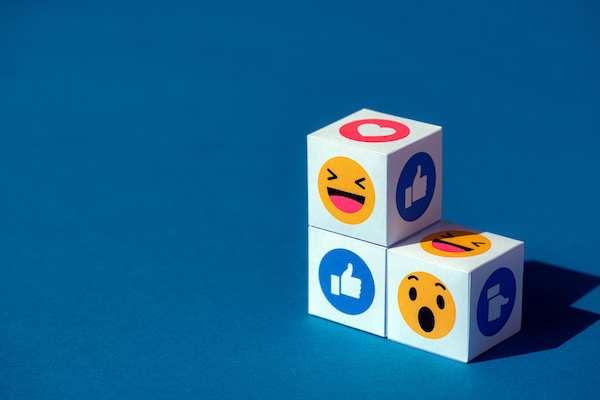
    The use of emojis is a great way to personalize your business promotions and with World Emoji Day (July 17) just around the corner, it would be beneficial for you to learn how to incorporate these visually attractive icons as a means of brand communication. Chances are that your target marketing communicates using emojis as a way to cut down words and convey their emotions on various social media platforms. So, why haven’t you started using them to convey a richer understanding of your products and services? 

    What is emoji marketing?

    Emoji marketing is a visual engagement tool that can be used within your professional digital marketing strategy to drive social engagement in a way that impacts each consumer differently. While innovative brands likely already have experience using graphics and copy to creative inviting advertising, emoji marketing is a fairly new concept that has managed to bridge the gap between assorted demographics. 

    Emojis, also known as emoticons, are cute, cartoon pictures that convey more information in a single character than an entire sentence of copy. However, the best part about emojis is their capability to portray intent and mood (ex. puns, jokes, or realism). Nevertheless, if you’ve been looking for ways to give your brand a friendly, humanistic element, emoji marketing could present a more favourable way to be broadcasting your message.  

    What are the benefits of marketing with emojis

    Before we skip to how emoji marketing can further the professional development of your digital marketing strategy you will need to decide which platforms would best connect to your audience. Aside from ensuring that emojis are supported, you will need to brainstorm how to effectively promote them so that they promote shareability among consumers. 

    Benefits that come from effective emoji marketing:

    • Works as a fun way of promoting a brand, product, or service.
    • Personally interact with each consumer. 
    • The information or message is perceived in different ways.
    • Sometimes nonverbal information can be processed differently.
    • Works to provide a more emotional form of communication. 
    • Increases user engagement.

    Tips to consider in your next emoji marketing campaign

    The use of emojis in your professional digital marketing strategy requires finding the right balance between the marketing message, the intent of the advertisement, and the emotion you’re attempting to portray. It’s always best to use emojis to convey something that you want to be memorable or stir emotion with your audience. 

    Here are some things that need to be considered first: 

    • Research your audience: Not every demographic perceives emojis marketing the same, so you will want to select emoticons that fit the right persona for your brand. Be sure that there are no alternative meanings for the emojis you’ve used before integrating them within the message. 
    • Context and relevance are everything: Ask yourself, “Will my target audience understand the intent of this message, does it resonate with their needs and lifestyle, and will they express interest.”   
    • Use emojis in moderation: It can be easy to get carried away by using too many emojis in your marketing message, so be sure to not go overboard by creating a cryptic message that may be overlooked. 

    What did you learn about emoji marketing and how it works with your professional digital marketing strategy? Drop a comment below to start a conversation.