855.686.4649 ext.707


Beyond Online Catalogs: Why Local Product Discovery is a Priority in 2026
When shoppers include terms like “available today” or “store pickup” in their queries, they’re signaling high purchasing intent. Brick-and-mortar retailers with Shopify POS are uniquely positioned to meet this demand. By surfacing real-time inventory, location, and fulfillment information through local SEO, they can convert nearby searchers into immediate customers. This isn’t just about ranking for broader keywords; it’s about enabling last-minute, location-based decisions that drive both online sales and foot traffic.
Crafting SEO-Optimized Store Location and Pickup Pages
At the digital storefront level, each Shopify POS location needs a strong local landing page. Essential elements include:
- Clear address details and embedded maps for easy navigation
- Pickup instructions and store hours to set expectations
- Local product categories showcasing in-stock items
- Internal links that connect to related products and services
- A frequently asked questions section to address common concerns
Using schema markup can help search engines better understand the availability and pickup options, improving visibility for shoppers searching for specific stores. For brands with multiple locations, it’s crucial to avoid creating thin or duplicate content; each page should offer unique, location-specific details.

Showcasing Local Inventory Right on Shopify Product Pages
Product pages themselves also play a central role in local SEO. Shopify merchants can use inventory API integrations to:
- Display in-store availability alongside shipping options
- Highlight cutoff times for same-day or next-day pickup
- Show store-specific inventory to match shopper preferences
While doing this, keeping the user experience clean and avoiding duplicate SEO problems is essential. Structured data for product listings, offers, and local business details can enhance these pages even further, making them stand out in search with rich results.
Aligning Google Business Profiles, Merchant Center, and Local Listings
Outside of their ecommerce site, Shopify merchants should maintain consistent, up-to-date information across Google Business Profile, Google Merchant Center, and other local directories. This consistency includes:
- Current product availability and pickup options
- Accurate business details, categories, and hours
- High-quality photos and recent customer reviews
When synchronized, these signals strengthen a merchant’s presence across Search, Maps, and Shopping surfaces—making it easier for nearby shoppers to find the right store at the right time. For more on visibility across shopping results, see Google Shopping results.

Amplifying Local Reach Through PPC and Social Integration
Local SEO can be even more effective when paired with additional digital channels. Trek Marketing helps Shopify merchants extend their reach with:
- Geo-targeted Google Ads promoting local inventory and store pickup
- Meta campaigns highlighting same-day availability and in-store events
- Shopping ads aligned with in-store product availability
- Retargeting audiences based on engagement with location and pickup pages
By aligning SEO, PPC, and social media marketing efforts, merchants create omnichannel experiences that drive conversions both online and in-store.
Tracking Success: Key Metrics for Shopify POS Local SEO
To measure the impact of a local SEO strategy, Shopify merchants should track metrics such as:
- Organic traffic and engagement to store location pages
- Clicks-to-call and direction requests from Google Business Profiles
- Pickup conversion rates initiated from local product listings
- Product page engagement and availability inquiries by region
- Assist attribution for in-store sales driven by digital discovery
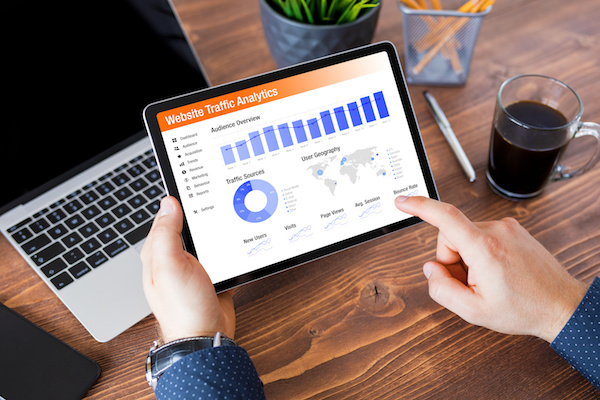
By combining data from Google Analytics, Shopify reports, and Google Business Profile insights, merchants gain a holistic view of how local search and in-store visits influence the customer journey.