×
  • Leading Digital Marketing Agency
  • 900+ Websites Launched
  • $100M+ Client Revenue Generated


    Shopify Customer Match for Google Ads: Turn First-Party Data Into Lower-CAC Ecommerce Growth

    As Google Ads costs surge heading into the 2026 holiday shopping season, Shopify ecommerce brands need better ways to target high-intent buyers beyond broad prospecting campaigns. The answer lies in Google’s Customer Match program: a tool that enables businesses to leverage their own first-party data for smarter search, shopping, and YouTube advertising. By using customer emails, phone numbers, and purchase histories, you can improve retargeting, retention, and new customer acquisition — reducing cost per conversion in an era of rising privacy restrictions and dwindling cookie utility.

    In this comprehensive guide, we’ll explore how Shopify merchants can use Google Ads Customer Match audiences to turn first-party data into lower-cost, higher-ROI growth. Plus, we’ll explain common pitfalls to avoid and show how Trek Marketing helps cross-channel teams build first-party data strategies that scale.

    PPC Campaign

    Why First-Party Data is Essential for Shopify PPC in 2026

    With third-party cookies fading out of favor and Apple iOS updates limiting cross-app tracking, the ability to rely on traditional Google Ads signals is diminishing. Meanwhile, consent requirements from GDPR (EU) and CCPA (California) encourage users to opt out of tracking, making behavioral-based targeting less effective. Add rising pay-per-click costs from increased competition, and the need for businesses to own and actively use their customer data has never been clearer. Shopify PPC advertising is no longer just about bidding on keywords — it’s about using your own email lists, phone databases, and purchase segments to reach the right customer at the right moment. Customer Match audiences allow you to do exactly that.

    Building High-Value Customer Segments in Shopify

    Not all customer lists are created equal. To get the most out of Google Ads Customer Match, you need to create actionable audience segments that serve specific campaign goals. Here are some high-value lists to consider:

    • VIP Customers: Past purchasers with high average order values (AOVs) who can be targeted with new arrivals, exclusive offers, or early access campaigns.
    • Lapsed Buyers: Previous customers who haven’t purchased in 3-6 months, ideal for reactivation email and ad sequences promoting complementary or seasonal products.
    • High-AOV Purchasers: Segmenting by order value can allow for custom bids or tailored messaging based on customer lifetime value potential.
    • Recent Email Subscribers: People who signed up in the last 30 days but haven’t purchased yet, for focused follow-up and conversion campaigns.
    • Category Buyers: Customers who have shown interest in a specific product category, suitable for cross-sell or upsell campaigns.
    • Seasonal Shoppers: Users who typically buy around holidays or sales events to target with timely promotions.

    Ads campaign

    Using Customer Match Audiences Across Campaign Types

    Customer Match audiences can improve performance across Search, Shopping, Performance Max, and YouTube campaigns. Here’s how:

    • Search & Bidding: Use known customers to increase bids on high-value terms and bid more conservatively for new or lookalike audiences.
    • Shopping & Product Promotion: Prioritize showing product ads to VIP customers or retarget lapsed buyers with bestsellers they previously viewed.
    • Performance Max: Set Customer Match lists as preferred audience signals or use exclusion lists to prevent ads from targeting own customers in prospecting campaigns.
    • YouTube & Video: Use email lists to group customers by lifecycle stage, then run retention-oriented content for loyal buyers or acquisition-focused ads for lookalikes.


    Maximizing Match Rates for Better Results


    Higher match rates = better campaign control and insights. Ensure your data is primed for Google’s upload by:

    • Cleaning and Normalizing Emails: Standardize formats (e.g., lowercase, removing extra spaces) to avoid under-matching.
    • Formatting Phone Numbers Properly: Use international formats for consistency and accuracy.
    • Collecting Consent: Use Shopify’s checkout and sign-up tools to capture explicit email and advertising consent, and ensure compliance with regional privacy laws.
    • Tagging Customers in Shopify: Use store tags for segmentation, such as high-value, lapsed, or category-based buyer tags.
    • Exporting from CRM Systems: Leverage tools like Klaviyo to automate data exports to Google Ads, keeping your audiences fresh.

    Common Customer Match Mistakes to Avoid

    Don’t fall into these traps:

    • Uploading Unsegmented Lists: A broad, unfiltered list is wasted opportunity. Always segment for more targeted campaigns.
    • Ignoring Consent: Only use emails and phone numbers from contacts who have agreed to marketing communications. Consent is legally required and maintains customer trust.
    • Over-Relying on Small Audiences: While VIP lists are valuable, ensure you also build broader prospecting audiences from high-potential lookalikes.
    • Mixing Loyal and Discount-Only Shoppers: Differentiate between customers who purchase at full price and those driven by discounts for more effective messaging and bidding.
    revenue tracking

    Measuring Incremental Value Beyond Last-Click ROAS

    Traditional ROAS isn’t enough for first-party data strategies. Track these metrics to understand true uplift:

    • Lift Testing: Split test to measure how much more revenue matched customers generate compared to a control group.
    • Repeat Purchase Rate: Higher retention signals deeper lifetime value.
    • Customer Lifetime Value (CLV): First-party data can help identify which segments produce the highest long-term revenue.
    • New vs. Returning Revenue: Track how Customer Match supports both acquisition and retention, not just immediate sales.
    • Assisted Conversions: Look beyond last-click to see how customer lists influence other campaigns and channels.

    How Trek Marketing Supports Your First-Party Data Strategy

    At Trek Marketing, we help Shopify brands not just upload lists, but build data-driven growth engines. By connecting SEO, PPC, email marketing, and audience strategies, we turn first-party data into scalable customer acquisition and retention programs. Whether structuring advanced Customer Match segments, integrating Shopify with Google Ads and Klaviyo, or setting up cross-channel measurement frameworks, our team brings technical expertise and strategic vision to every project.

    Embrace First-Party Data for Sustainable Shopify Growth in 2026

    Google Ads Customer Match is more than a retargeting tool — for Shopify ecommerce brands, it’s a first-party data strategy essential to thriving in a world of rising CPCs, privacy restrictions, and cookie loss. By segmenting your own customers, refining data hygiene, aligning lists with Search and Shopping campaigns, and measuring true uplift, you can drive lower-cost, higher-value growth. Partnering with an agency like Trek Marketing ensures you not only implement Customer Match correctly, but integrate it into broader cross-channel strategies designed for long-term success. As the 2026 peak shopping season approaches, the time to leverage your own data in Google Ads is now.

    If you’re ready to unlock the power of Shopify Customer Match for your ecommerce business, contact Trek Marketing to explore how we can help.

    Magento Faceted Navigation SEO: Turn Filters Into Long-Tail Ecommerce Traffic

    Magento Faceted Navigation SEO

    is a crucial yet often overlooked component in many ecommerce strategies, especially as brands expand their product lines in preparation for peak shopping seasons like fall and holidays. While a Magento store may rely on filters for size, color, brand, price, material, compatibility, and availability to help shoppers quickly find the products they want, unmanaged faceted navigation can lead to issues that undermine SEO performance. Problems like crawl bloat, duplicate content, and squandered SEO potential can arise from unoptimized filter pages.

    Understanding the SEO Implications of Magento Faceted Navigation

    Magento’s layered navigation creates parameter URLs whenever customers apply filters. These filtered category pages, along with internal search results, can have a significant impact on how search engines crawl, index, and ultimately rank your ecommerce site. Managing these pages effectively is crucial to preserving both your crawl budget and your site’s overall search visibility.

    Not every filtered page should be indexed by search engines. Some should be canonicalized, others noindexed, blocked via robots.txt, or consolidated. For example, a filtered page showing all ‘red running shoes in size 9’ may be a strong candidate for indexing due to its high search intent and commercial relevance. Conversely, a simple pagination URL or sorting-by-price parameter often leads to duplicate, low-value content and should be managed accordingly.

    Identifying High-Value Long-Tail Filter Combinations

    To make the most of Magento faceted navigation SEO, you need to know which filter combinations can drive meaningful organic traffic. Tools like Google Search Console, external keyword research platforms, and internal site search analytics can help reveal demand for specific product attributes. For example, the search term ‘black leather ankle boots size 8’ reflects a shopper with a clear purchase intent, making it an ideal long-tail target.

    Other data sources include product feed attributes and paid search reports, where you can uncover high-intent filter combinations to prioritize. An example might be ‘stainless steel dishwasher-safe water bottle,’ where filters for material and dishwasher compatibility align perfectly with user queries. Magento’s built-in analytics tools can surface similar patterns from customers’ own searches on your site. By creating SEO-friendly landing pages for these filters, you capture relevant traffic at the point of high intent.

    url sample on the internet

    Implementing Technical Controls: Canonicals, Noindex, and Parameter Handling

    Managing duplicate URLs and crawl traps is at the heart of Magento facet navigation SEO. Assigning the correct canonical tags, noindex rules, and robot directives ensures both efficiency and indexing accuracy. For instance, Magento should treat sorting options like ‘price low to high’ as nonessential variations, often best handled with self-referencing canonicals to avoid indexing unnecessary duplicates.

    Pagination, especially for category pages with dozens of products, requires careful control. Assigning canonical tags to the main page and noindexing subsequent pages can prevent bloat while maintaining user experience. Filter parameters like size, color, and brand, when combined in high-priority sequences identified previously, warrant explicit handling. Here, setting a canonical to the parent category may hurt SEO if it suppresses valuable long-tail combinations. Instead, promote relevant filtered pages with unique SEO elements to stand out in search results.


    Creating SEO-Optimized Filtered Landing Pages

    When a filtered page deserves indexing, it must be more than just another product list. Ecommerce stores should enhance these pages with unique content to ensure they’re both crawler-friendly and shopper-focused. Including concise, keyword-rich introductions that describe the filter combination’s benefits helps both users and search engines understand the page’s value. For example, a page for ‘vegan hiking boots under $150’ might highlight key brands and popular features within that range.

    Beyond copy, leverage schema markup to structure product data like reviews, availability, and pricing. Embedding FAQs based on common queries related to the filter can improve both SEO and on-page engagement. Make sure your metadata reflects the specific filter to strengthen relevancy. Rather than relying on Magento’s default product grid, use merchandising logic to prioritize in-demand items based on factors like seasonality, inventory, and sales.

    SEO internal links

    Strategic Internal Linking and Sitemap Management

    Maximizing the SEO value of faceted pages requires a thoughtful internal linking strategy. Reference your best filter landing pages from category descriptions, collection hubs, and relevant buying guides to pass link equity and improve crawl depth. Seasonal campaign pages can highlight filters aligned with current shopping trends. For instance, a ‘back-to-school backpacks’ guide might link to filtered pages by brand, size, and price range.

    Use breadcrumbs and hierarchical links to reinforce relationships between parent and child categories. However, avoid adding every filter URL to your XML sitemap. Prioritize only high-value, SEO-ready URLs to prevent diluting crawl signals and overwhelming search engines with less relevant variations.


    Tracking Performance in GA4 and Magento Analytics

    SEO optimization is an ongoing process. Use GA4, Google Search Console, and Magento’s native analytics to monitor how your filter pages perform. Track metrics like organic sessions per filter combination, click-through rates from search results, and pages per session to gauge user engagement. Keep an eye on indexed URL counts. An increasing number without corresponding traffic gains may indicate crawl bloat.

    Analyze assisted SEO revenue to understand how filter pages contribute to broader conversion paths. A single page view of a filtered product list may not lead to an immediate sale but can influence downstream product detail page visits and checkout completions. Magento’s analytics tools also report on product page engagement from filter landing pages, offering insights into what shoppers find most relevant.

    magento ecommerce strategy

    How Trek Marketing Supports Magento Faceted Navigation SEO

    Managing faceted navigation SEO in Magento stores demands both technical expertise and strategic savvy. Trek Marketing’s ecommerce SEO services help Magento brands audit their current faceted navigation setup, pinpoint crawl waste, and implement best practices for noindex, canonical, and parameter handling before peak shopping periods. We work with your team to identify high-value filter-based landing pages rooted in actual search demand and build scalable systems that treat filters as traffic assets rather than liabilities.

    Whether you’re launching new product lines ahead of the holidays or seeking to streamline retail search ahead of expected demand surges, Trek Marketing provides the tools, insights, and execution framework needed to convert filtered Magento pages into consistent, long-tail organic traffic. Contact us to get started.


    Navigating Magento Faceted Navigation SEO Successfully in 2026

    Magento faceted navigation SEO isn’t merely a technical challenge; it’s a strategic opportunity to capture high-intent ecommerce traffic. By understanding the impact of layered navigation on crawl budgets, indexing, and product discovery, and by prioritizing the creation of optimized filter landing pages for valuable long-tail combinations, Magento brands can enhance both user experience and search visibility.

    Implementing strong technical controls over canonicals, noindex rules, and parameter handling helps prevent crawl bloat and duplicate content, ensuring search engines focus on your most relevant pages. Coupled with an intelligent internal linking and sitemap strategy, and continuous performance tracking through tools like GA4 and Google Search Console, your Magento store can convert faceted filters into meaningful SEO assets.

    For retailers looking to master this balance, especially in advance of peak seasons, Trek Marketing offers specialized ecommerce SEO services designed to optimize faceted navigation within Magento. Our team can help you audit, prioritize, and scale your category and filter-based SEO to ensure your products reach shoppers precisely when they’re searching. To learn how to turn filters into a long-tail traffic machine and avoid common pitfalls, reach out to us at Trek Marketing. Explore more about ecommerce SEO and Magento best practices in our other insights and blog posts. Contact Trek Marketing for a consultation.

    Shopify Markets Pro PPC Strategy: How Ecommerce Brands Can Scale Cross-Border Google Ads Before Holiday Demand

    Cross-border ecommerce is becoming more competitive as brands prepare for late-summer, back-to-school, and holiday shopping demand. A strong Shopify Markets Pro PPC strategy can help ecommerce businesses expand internationally while keeping ad spend, product feeds, pricing, and conversion tracking under control.

    seo and ppc

    Why Shopify Markets Pro is a Game-Changer for International PPC

    Shopify Markets Pro removes the friction around duties, taxes, local currencies, fulfillment, and checkout. Unlike typical shipping integrations, Markets Pro can boot the end-to-end experience from Shopify itself — handling everything from tax collection to currency conversion to duty estimation at checkout. This means that PPC campaigns can target customers with full transparency on landing page pricing, including the actual cost of shipping a product internationally.


    How to Structure Google Ads Campaigns for Each Market

    International PPC isn’t just about translating ad copy. It requires a thoughtful account structure, considering each market’s margin, shipping speed, and customer intent. While Google Ads supports multinational campaigns, running them without localizing for each market can waste budget and lower your overall return on ad spend (ROAS).

    Pay-per-click specialists recommend separating Search, Shopping, and Performance Max campaigns by country. For example, you might have distinct campaigns for the United States, Canada, the United Kingdom, and Australia — each with ad groups based on customer intent and awareness, such as Brand, Product, and Competitor. Shipping speed and margin will influence what you can bid for each ad group and how much you’re willing to invest in paid traffic.

    ecommerce website products

    The Power of Localizing Your Product Feed

    Your product feed is the backbone of Shopping and Performance Max campaigns. For cross-border ecommerce, it needs to be a localized marketing tool, rather than just a spreadsheet with product information. Product titles and descriptions should use the local language (and spelling). For example, “sneakers” in the US are “trainers” in the UK. Availability should match stock levels in each market, while pricing and shipping details should be accurate for each region to ensure the ads show the correct information to potential customers.

    For instance, a brand expanding into Canada from the USA should update product feeds to reflect local pricing in Canadian dollars and shipping times from their Canadian warehouse to avoid disappointing customers expecting faster delivery. In the UK and Australia, adjusting product titles and descriptions can improve both ad relevancy and the Shopping tab’s organic ranking. Ensuring that feeds are synced with Shopify Markets Pro keeps product information accurate across all regions.

    best PPC ad network

    Using PPC Data for Market Validation

    Pay-per-click campaigns can provide fast, data-driven validation of a target market’s demand for a product. Shopify brands can use PPC data to identify high-converting countries, keywords, product categories, and price points before committing resources to localizing SEO and building out an international content strategy. For example, even if a brand plans to target Canada, pushing active PPC campaigns in adjacent markets like the United States or the Netherlands could reveal unexpected demand for a product.

    Similarly, testing Shopify Markets Pro alongside paid campaigns can show how localized pricing, duties, and shipping influence conversion rates across borders in real time. Use these findings to inform content marketing strategy and omnichannel marketing.


    Tracking, Attribution, and Budget Control in Multiple Markets

    Tracking conversions and attributing spend across multiple countries requires a robust measurement setup. Relying on default settings for Google Analytics 4, Google Ads conversion tracking, and enhanced conversions can cause data mismatches, especially when multiple currencies are involved. Ecommerce businesses that expand internationally must ensure that each conversion event includes the purchase value, currency, and market source (country or region).

    Consolidating this data into a single dashboard, whether it’s through Shopify’s built-in reporting or a custom Google Sheets, Data Studio, or Looker Studio report, is critical to understanding which markets are driving revenue. With accurate data, brands can reallocate budgets in real time to scale profitable campaigns ahead of peak season demand.

    Trek Marketing

    Partnering with Trek Marketing for Your Cross-Border Expansion

    Trek Marketing specializes in helping Shopify brands navigate the complexities of international ecommerce. Whether you need expert support in setting up PPC campaigns in multiple countries, optimizing product feeds for Shopping and Performance Max, localizing your SEO strategy to match your paid search priorities, or building a multi-market analytics framework, we have the experience and tools to help you succeed. As the holiday shopping season looms, now is the time to build a scalable, profitable cross-border paid acquisition strategy with Shopify Markets Pro and Google Ads. With the right strategy and support, your ecommerce brand can expand internationally while maintaining control over ad spend, pricing, and conversion tracking.


    Final Thoughts on Scaling Cross-Border Google Ads With Shopify Markets Pro

    Expanding into international markets is more than launching translated ads—it’s about creating a fully localized shopping experience, from product feeds to checkout, and syncing that experience with a smart, market-specific PPC strategy. Shopify Markets Pro equips ecommerce brands with the tools to handle duties, taxes, currency conversion, and localized fulfillment right on the platform.

    Pairing this with separate Google Ads campaigns for each market, optimized product feeds, PPC-driven market validation, and robust cross-border tracking will set your brand up for success in 2026’s competitive holiday season. Ready to scale? Contact Trek Marketing to build your cross-border PPC plan.

    Lightspeed Local Inventory Ads: Turn Nearby Shoppers Into Omnichannel Revenue

    Shoppers are increasingly searching for products nearby before deciding whether to buy online, visit a store, or choose curbside pickup. For Lightspeed retailers, Local Inventory Ads can bridge the gap between physical stock and high-intent Google searches, especially as businesses prepare for back-to-school, fall, and early peak-season demand.

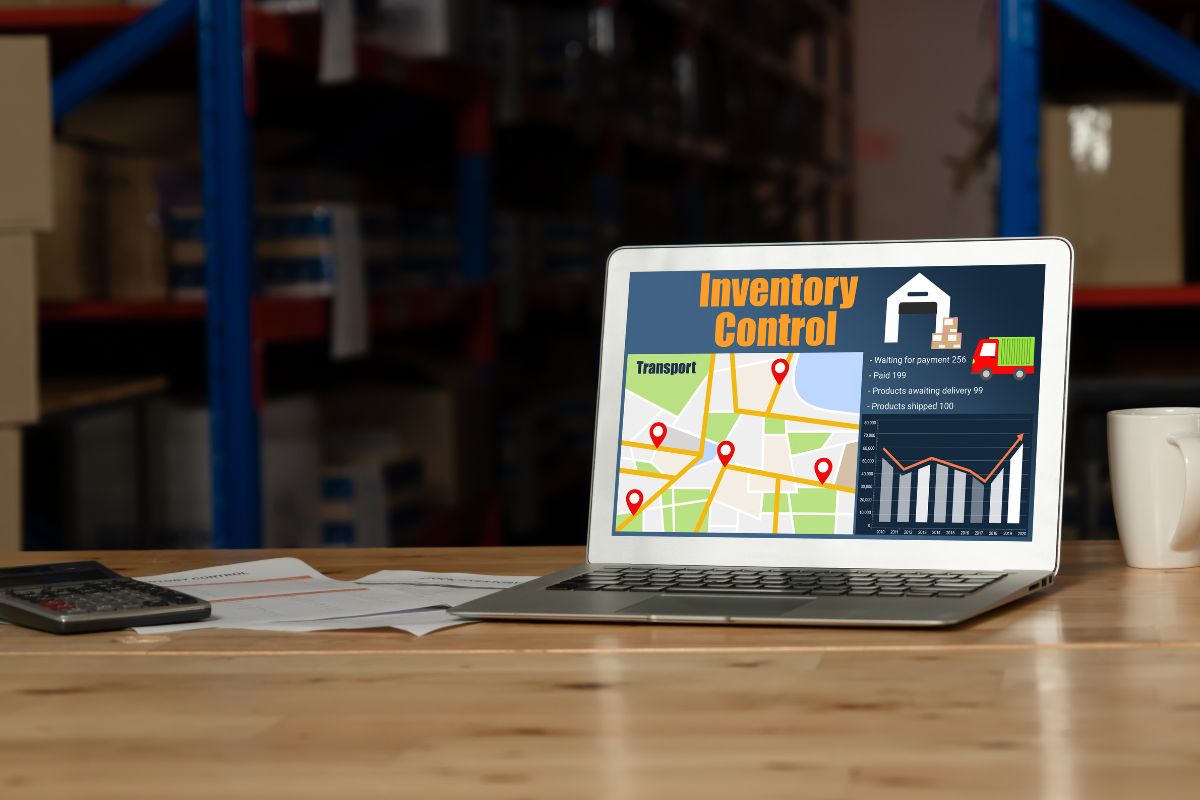
    inventory process

    Understanding Lightspeed Local Inventory Ads

    Lightspeed Local Inventory Ads allow ecommerce and omnichannel retailers to showcase in-store product availability directly to consumers searching on Google. These ads highlight not only the product but also its availability at nearby store locations, pickup options, and pricing. By connecting local product data with Shopping placements, Google helps retailers appear at the moment when potential customers are looking to buy immediately – either online or in-store.

    Creating a Clean Local Product Inventory Feed

    To make the most of Local Inventory Ads, retailers must maintain an accurate and up-to-date inventory feed. Key data points include GTINs, pricing, availability status, store location codes, pickup options, product condition, and location precision. Any errors in the feed, such as mismatched inventory counts or missing GTINs, can reduce ad impressions, limit campaign reach, and diminish overall return on ad spend (ROAS).

    Strategic Campaign Segmentation

    Not all inventory moves at the same pace or with the same margin. Smart retailers segment their ad campaigns by store, product category, and seasonal demand. For example, separating high-margin products into focused campaigns helps maximize profits, while promoting fast-moving local inventory ensures shelf turnover. Back-to-school items can be prioritized in regional campaigns, and store-specific bestsellers warrant tailored local ads. This approach prevents budget waste and aligns marketing spend with business goals. For a broader paid-and-organic approach, see our PPC vs. SEO comparison.

    Measuring the Full Omnichannel Impact

    Local Inventory Ads do more than drive online transactions. True success in 2026 involves tracking store visits, phone calls, direction requests, engagement with local product pages, curbside pickup conversions, and even assisted ecommerce sales. Google Ads now offers tools to track many of these offline actions, and when combined with analytics platforms and point-of-sale data, businesses gain a comprehensive view of how local ads contribute to overall revenue.

    seo,ppc,email,socials

    Aligning SEO and PPC for Maximum Local Visibility

    Paid ads are just one piece of the local visibility puzzle. Retailers who optimize their location pages, implement product schema markup, maintain accurate Google Business Profiles, and ensure inventory messaging is consistent across all channels will see stronger organic rankings and better user engagement. When PPC and SEO work together, retailers expand their presence in local shopping searches at the same time.

    Avoiding Common Pitfalls

    Many Lightspeed retailers stumble over basic mistakes that undermine campaign performance. Mismatched inventory between the ads and store leads to frustrated shoppers and wasted spend. Using generic or weak product titles reduces click-through rates, so crafting clear, searchable titles is essential. Missing local landing pages forces users to navigate manually, increasing bounce rates, and poor mobile experiences can sink conversions in seconds. Finally, treating Local Inventory Ads as if they were standard Shopping campaigns underutilizes their true potential – these ads require careful, location-focused management. Strong site speed and mobile usability also matter.

    Trek Marketing

    Partnering with Trek Marketing

    Trek Marketing helps Lightspeed retailers unlock the full potential of Local Inventory Ads. Our team can optimize product feeds to ensure accuracy, structure Google Ads campaigns for better segmentation and budget control, improve local SEO elements like schema and Google Business Profiles, and set up comprehensive tracking for omnichannel revenue. As consumer behavior continues to shift toward hybrid online-offline shopping journeys, Trek Marketing positions retailers to meet customers where they are, in-store and online.

    Making Local Ads Work for You in 2026

    Lightspeed Local Inventory Ads represent a powerful tool for turning nearby shoppers into omnichannel customers. By maintaining an accurate product feed, segmenting campaigns based on real-world buying patterns, tracking both online and offline conversions, and aligning SEO with PPC, retailers can drive more in-store visits, more pickup orders, and more direct ecommerce sales. Be sure to avoid common mistakes that can sap performance and consider a partner like Trek Marketing to help navigate the complexities of local product advertising. As 2026 unfolds with new shopping trends and seasonal peaks, retailers who effectively harness local inventory ads will stand ahead of the competition. Contact Trek Marketing to build your local inventory ad strategy.

    Google Demand Gen Ads for Shopify: Build Pre-Holiday Demand Before Search CPCs Spike

    By late July, ecommerce brands should already be building demand for fall, back-to-school, and holiday shopping cycles instead of waiting until search and Shopping ads become more expensive. This article would show Shopify merchants how Google Shopping results and ecommerce marketing campaigns can warm up high-intent audiences across YouTube, Discover, and Gmail before shoppers actively search.


    How Shopify Brands Can Use Google Demand Gen Ads as a Full-Funnel PPC Strategy

    Explain why Demand Gen is different from Search, Shopping, Performance Max, and paid social, and where it fits in an ecommerce growth plan.

    marketing ads

    Why Demand Gen Ads Are Unique

    Unlike Search or Shopping ads, which target users actively looking for a product, Demand Gen ads help create interest among potential customers. These ads run across multiple Google platforms, including YouTube, Discover, and Gmail, allowing brands to engage users earlier in the buying process. Demand Gen stands out from Performance Max and paid social by offering better control over audience targeting and by integrating seamlessly with Shopify’s product feed, making it a powerful tool for driving both awareness and conversion.


    Why Demand Gen Matters Before Peak Shopping Periods

    Break down how rising CPCs, longer consideration windows, and privacy-first attribution make early audience building essential. For a broader seasonal marketing strategy, this timing can improve both reach and efficiency.

    Timing Is Critical for Cost Efficiency

    Search CPCs spike as the holiday season approaches, making late-stage advertising more expensive. By investing in Demand Gen campaigns in July and August, Shopify merchants can capture shoppers when advertising costs are lower. Early audience building also takes advantage of longer consideration windows. Many consumers research products in advance, so initiating engagement early can lead to stronger Q4 remarketing pools, reducing acquisition costs later.

    Adapting to Privacy Changes

    Privacy-first attribution models, such as Google’s enhanced conversions, often delay full conversion reporting by several days or weeks. Early demand generation helps brands gather more accurate data by the time peak shopping season arrives, enabling better budget allocation and targeting. Pair this with marketing analytics to make reporting more actionable.

    AI and ecommerce

    Shopify Product Feed Strategy for Demand Gen Campaigns

    Explain how clean product titles, strong images, pricing accuracy, and category segmentation can improve ad relevance. These are the same fundamentals used in product listing optimization and broader ecommerce merchandising.

    Optimizing Your Product Feed for Demand Gen

    Well-structured product feeds are essential for effective Demand Gen campaigns. Clean product titles ensure Google understands each item, while strong images boost engagement across visual platforms like YouTube and Discover. Pricing accuracy builds trust and prevents unnecessary clicks, and category segmentation improves ad relevance by aligning products with the right audience. Strong feeds also support ecommerce conversion.

    Segmenting Offers for Better Performance

    Consider creating separate campaigns for hero products, seasonal collections, bundles, and high-margin SKUs. For example, promote back-to-school bundles and holiday gift sets alongside flagship items to capture demand at multiple levels of the funnel. This aligns with ecommerce marketing planning.


    Audience Targeting That Goes Beyond Basic Remarketing


    Cover custom segments, website visitors, YouTube engagers, customer match lists, cart abandoners, and lookalike-style targeting. For stronger audience development, connect this with customer segmentation and targeting.

    Leveraging Shopify Customer Data for Advanced Targeting

    Demand Gen offers more than just remarketing—it allows you to build custom segments based on website visitors, YouTube engaged users, and customer match lists. With Shopify’s native tools, you can identify cart abandoners and create lookalike audiences to reach new potential customers. Using your own first-party data not only strengthens intent signals but also respects user privacy, which is increasingly important in the current digital landscape. It also complements first-party data strategies.

    Creative Testing for Ecommerce Demand Generation

    Outline which creative formats work best for Shopify stores, including lifestyle imagery, product demos, short-form video, founder-led content, and offer-led visuals. For social-first creative, see short-form video content tactics.

    Crafting and Testing Your Google Demand Gen Creatives

    Successful Demand Gen campaigns use a variety of creative formats. Lifestyle imagery shows products in real-life contexts, helping shoppers visualize use. Product demos and short-form videos highlight key features quickly, while founder-led content builds trust by sharing the brand story. Offer-led visuals, including limited-time discounts, can drive immediate action. To maximize impact, test different hooks, product categories, and seasonal messages to see what resonates most with your audience. You can also borrow ideas from user-generated content.


    Measurement, Attribution, and Budget Allocation

    Show which KPIs matter at each funnel stage, including assisted conversions, engaged-view conversions, new customer acquisition, revenue lift, and blended ROAS. If you need a more complete measurement framework, review Google Analytics and performance metrics.

    Tracking the True Value of Demand Gen Campaigns

    Demand Gen impacts multiple parts of the funnel. At the top, engaged-view conversions and assisted conversions indicate how well your ads are driving interest. Mid-funnel, look for new customer acquisitions, and at the bottom, measure revenue lift and blended ROAS. Trek Marketing can help integrate digital marketing services with Shopify feed optimization and remarketing analytics to turn these insights into smarter campaign decisions.


    Maximizing Your Google Demand Gen Ads Strategy for Shopify in 2026

    Demand Gen is more than a new ad format—it’s a strategic way for Shopify brands to build demand ahead of high-cost shopping seasons. By optimizing product feeds, leveraging first-party data for advanced targeting, and testing both creatives and measurement frameworks, you can turn Demand Gen into a decisive growth engine. With Trek Marketing’s expertise in Shopify PPC, feed management, and analytics, you don’t need to navigate this alone. They’ll make sure your Demand Gen campaigns are aligned with your broader ecommerce goals and ready to capture customers before the competition ramps up. Ready to get ahead of the holiday rush? Contact Trek Marketing to build a Demand Gen strategy that drives real results.

    Lightspeed eCommerce SEO: Turn In-Store Inventory Into Local Product Discovery and Online Sales

    As retail landscapes evolve, the fusion of in-store and online shopping demands a seamless strategy. For Lightspeed retailers, the potential lies in leveraging real-time inventory and product data to dominate both online search results and local product discovery. This article explores how to turn Lightspeed eCommerce SEO into a powerful tool for capturing local shoppers, product-specific searches, and BOPIS (Buy Online, Pick Up In Store) demand in 2026.

    Why Organic Search Opportunities Often Slip Away

    Despite having the technological advantage, many Lightspeed retailers miss out on organic search traffic due to common pitfalls. Thin or duplicate product content, often copied directly from manufacturers, leads to low engagement and poor rankings. Weak category structures and unoptimized product availability pages fail to signal to search engines the relevance and freshness of inventory. Without addressing these issues, SEO audit findings and online visibility remain limited.

    ecommerce website products

    Crafting SEO-Friendly Product and Category Pages

    Turning inventory data into SEO assets starts with well-optimized product pages. Each product should have a unique, keyword-rich title and a compelling meta description that highlights key features and benefits. Detailed product specifications, supplemented with schema markup, help search engines understand inventory at a granular level. Similarly, category pages should be structured with filters and collections that enhance user experience and increase dwell time. Strengthen these fundamentals with SEO for ecommerce best practices.


    Seizing Local Product Search Intent

    Local search queries like “running shoes near me,” or “bike shop in Vancouver” offer high conversion potential, especially when coupled with real-time inventory data. Retailers can capitalize on this demand by creating location-specific pages that reflect actual stock availability. Optimizing Google Business Profiles and implementing structured data around local listings further boost the chances of appearing in the coveted Local Pack and map results. Explore local SEO tactics to support nearby discovery.


    Synchronizing SEO with Product Feeds and Google Shopping

    Lightspeed’s clean product data isn’t just an SEO asset; it’s a foundational element for Google Shopping and paid search campaigns. Accurate product feeds ensure better Merchant Center approvals, making it easier to run Shopping campaigns that reflect real-time inventory. Dynamic remarketing can pull from these feeds to show ads for products that customers have already expressed interest in, while structured data enhances organic product visibility. See how Google Shopping results can extend reach.


    Strategic Preparations for Peak Retail Demand in 2026

    With fall and holiday shopping seasons approaching, now is the time to optimize your Lightspeed SEO. Start with a product data audit to identify and address descriptions, metadata, and schema gaps. Improve site crawlability by refining internal linking, ensuring search engines can efficiently navigate your inventory. Update seasonal collections to highlight relevant categories, and prioritize high-margin or fast-moving products to capture demand as it peaks. Pair this with seasonal marketing planning for stronger results.


    Partnering with Trek Marketing for Omnichannel Success

    While the tools and data are at your fingertips, execution requires a strategic blend of SEO, PPC, product feed management, and local search optimization. Trek Marketing specializes in helping Lightspeed retailers turn in-store inventory into a competitive advantage across digital channels. From technical SEO audits to managing synchronized shopping campaigns and optimizing Google Business Profiles, we provide end-to-end solutions that drive ecommerce revenue flow from local product discovery. Learn more about our digital marketing services.

    Maximizing Your Lightspeed eCommerce SEO Strategy in 2026


    Lightspeed eCommerce SEO is more than just a ranking tactic; it’s an omnichannel advantage that connects inventory with intent at the moment a shopper searches. By addressing content quality, local search signals, and product feed synchronization, retailers can expand their reach to both online and nearby shoppers. With peak seasons on the horizon, the time to act is now—optimizing in-store inventory for web visibility ensures you capture demand before the competition does. For a broader roadmap, review our SEO glossary.

    For retailers ready to elevate their Lightspeed presence, Trek Marketing offers the expertise to implement and scale SEO strategies that align with in-store realities and online expectations. To further understand how AI-driven search impacts modern SEO, consider exploring our detailed analysis in a related blog post. Contact us to get started.

    Ecommerce Product Knowledge Graph SEO: Make Shopify, WooCommerce, and Magento Products Easier for AI Shoppers to Find

    AI-powered search, shopping assistants, and Google AI experiences are changing how customers discover products before they ever reach a category page. Ecommerce brands that organize product data into a clear, connected knowledge graph can improve visibility across organic search, rich results, merchant listings, and emerging AI shopping journeys.


    Understanding Ecommerce Product Knowledge Graph SEO in 2026

    A product knowledge graph connects product attributes, categories, brands, reviews, inventory signals, FAQs, and entity relationships, enabling search engines and AI systems to comprehend a store’s offerings more accurately. This is more than a technical concept; it’s a practical SEO strategy for various ecommerce platforms such as Shopify, WooCommerce, Magento, and BigCommerce. By structuring these connections, ecommerce businesses can present a unified product story that AI and search technologies can easily interpret.

    product search and AI

    The Rising Value of Product Data in Search and AI

    Structured product information is vital for supporting Google Rich Results, Merchant Center performance, AI-generated answers, comparison queries, and long-tail product discovery. In contrast, factors like incomplete variant data, lacking product descriptions, missing attributes, and inconsistent taxonomies can hinder product visibility, even for stores with strong backlinks or content.


    Entity Mapping for Enhanced Product Organization

    Identifying core product entities—such as product type, use case, material, size, compatibility, brand, audience, and problem solved—is essential for structuring ecommerce data effectively. These entities need consistent representation across collection pages, product pages, internal linking structures, schema markup, faceted navigation, and buying guides to ensure AI and search systems can understand and surface products appropriately. For deeper support, see our URL structure guide.


    Integrating Schema Markup, Merchant Feeds, and On-Page Content

    Using Product schema, Offer schema, Review schema, FAQ content, product feeds, and category copy in a coordinated manner strengthens ecommerce product representation. For instance, aligning Shopify metafields, WooCommerce attributes, or Magento product data with SEO content and paid shopping feeds ensures that all product facets communicate the same clear message.

    landing page parts

    Creating AI-Friendly Product Pages Without Over-Optimization

    Simply packing product pages with keywords is no longer sufficient. Effective AI visibility stems from answering buyer questions naturally—providing comparisons, fit guidance, shipping details, return policies, compatibility notes, and trust signals—so AI can confidently recommend your product to shoppers. Strong customer reviews and social proof help reinforce that trust.


    Measuring the Returns of Product Knowledge Graph SEO

    Track long-tail product query impressions, rich result coverage, Merchant Center diagnostics, product page engagement, and assisted conversions. Visibility across emerging AI-driven search surfaces is also a crucial indicator of success. Whether tracking direct ecommerce KPIs or observing AI-related traffic patterns, the connectedness of product data will impact overall performance.

    Trek Marketing supports ecommerce brands with technical SEO, product feed optimization, and content strategies to make product data more discoverable and conversion-friendly.

    view of seo manager holding a paper

    Final Thoughts on Ecommerce Product Knowledge Graph SEO in 2026

    Ecommerce product knowledge graph SEO empowers businesses to move beyond traditional search positioning and embrace visibility in AI-driven shopping experiences. By structuring product data clearly, mapping key entities, and ensuring consistency across schema, feeds, and content, ecommerce stores can position Shopify, WooCommerce, Magento, and other platform-based products for success in AI-led commerce. As AI continues to shape how consumers find and evaluate products, investing in product knowledge graph SEO will be a defining factor for ecommerce growth.

    Leverage Trek Marketing’s expertise to build and optimize your ecommerce product knowledge graph. Whether refining technical SEO, aligning product data with AI expectations, or turning rich AI visibility into conversions, Trek is ready to help your ecommerce brand seize the future of product discovery. Contact Trek Marketing to get started.

    Meta Advantage+ Shopping Campaigns for Shopify: Scale Paid Social Revenue Before Peak Season

    As ecommerce brands navigate the transition from late summer to the high-demand period of fall and the holiday season, the importance of efficient advertising tools cannot be overstated. Meta’s Advantage+ Shopping Campaigns offer a compelling solution for Shopify merchants looking to scale paid social revenue, strengthen return on ad spend (ROAS), and optimize catalog performance in anticipation of Q4 demand. In this article, we explore how to leverage this tool beyond simple budget allocation to the algorithm, focusing on strategic use that drives tangible business outcomes.


    business and ecommerce expansion

    The Growing Relevance of Meta Advantage+ for Ecommerce Expansion

    At its core, Advantage+ Shopping Campaigns utilize machine learning to automate critical aspects of campaign management: audience discovery, placement selection, creative delivery, and ongoing optimization. For Shopify stores with robust product catalogs and consistent conversion data, this automation is a powerful ally, especially in managing seasonal demand spikes. By embracing Advantage+, ecommerce brands can maintain profitability while scaling engagement with new and existing customers.


    Optimizing Shopify Catalogs: A Prerequisite for Effective Meta Ads

    Before launching campaigns, Shopify merchants must ensure their catalogs are optimized. Product data—including titles, descriptions, pricing, availability, images, variants, and groupings—directly influences ad performance. Syncing Shopify with Meta Commerce Manager accurately and promptly is essential to avoid delivery limitations caused by catalog errors. Well-structured catalogs empower Advantage+ campaigns to surface the right products to the right audiences efficiently.


    Creative Strategy for Automated Campaigns

    Maintaining Creative Vitality in an Automated Ecosystem

    Automation does not eliminate the need for compelling creative assets. Advantage+ campaigns perform best with a steady flow of tested and proven content. Product demonstrations, user-generated content (UGC) style videos, benefit-driven static images, and timely seasonal offer messages provide the creative fuel that allows Meta’s algorithm to maximize engagement. Brands can consolidate creative testing within broader campaigns, avoiding over-fragmentation while gathering vital data on customer preferences.

    revenue tracking

    Budgeting and ROAS Management as Demand Peaks

    With rising competition from September through November, careful budget and ROAS management become critical. Ecommerce brands should take a deliberate approach to daily budgets, respecting learning phases and using cost caps strategically to protect profitability. Excluding existing customers from broader acquisition campaigns and scaling spend based on performance rather than intuition will help maintain ROAS targets. Once holiday traffic justifies higher spend, informed decisions on when to ramp up or hold back are key.


    Enhancing Advantage+ Performance with Omnichannel Data

    Meta Advantage+ campaigns are most effective when supported by a broader marketing ecosystem. Shopify merchants can leverage first-party data—email engagement metrics, SEO insights from product page performance, abandoned cart information—and integrate these into retargeting strategies. By layering these data points, brands create a feedback loop that strengthens automatic audience discovery and improves conversion rates across touchpoints. Treating paid social as one component of a coordinated approach maximizes its impact.


    Tracking Performance Beyond Platform Metrics

    While Meta’s reported ROAS provides a snapshot, ecommerce brands must expand their measurement frameworks. Tracking blended ROAS and Marketing Efficiency Ratio (MER) across channels offers a clearer profitability picture. New customer acquisition cost, returning customer revenue, contribution margin, and post-purchase behavior are equally important. Understanding how paid social interactions drive broader lifetime value ensures marketing decisions align with long-term business goals.

    paid-digital-marketing

    Trek Marketing’s Role in Paid Social Success

    Trek Marketing offers more than campaign implementation. With expertise in pay-per-click advertising, social media management, search engine optimization, and email marketing, Trek coordinates cross-channel strategies that stabilize both acquisition and retention. By integrating these services with Meta Advantage+ Shopping Campaigns, ecommerce brands build scalable systems that maintain ROAS even as demand and competition fluctuate. Trek’s strategic support empowers Shopify merchants to approach peak season confidently.


    Final Reflections on Utilizing Meta Advantage+ for Q4 Readiness

    Meta Advantage+ Shopping Campaigns represent more than just another advertising feature—they offer a strategic lever for Shopify merchants preparing for seasonal demand shifts. By optimizing product catalogs, maintaining creative momentum, managing budgets prudently, and integrating multisource data, ecommerce brands can harness Meta’s automation to scale profitably. Enhanced measurement frameworks ensure that marketing decisions reflect true business outcomes beyond immediate platform metrics. With the right partnerships and strategies, Q4 growth becomes a managed process rather than a high-stakes gamble.

    For ecommerce brands seeking to build a comprehensive, resilient marketing ecosystem around paid social initiatives, exploring Trek Marketing’s suite of services is a natural next step. By aligning PPC, SMM, SEO, and email marketing strategies with Meta Advantage+ campaigns, Shopify merchants can maximize both short-term sales and long-term customer value. As 2026 unfolds, strategic preparedness will distinguish winners from the rest in the competitive ecommerce landscape. Contact Trek Marketing to discuss a custom growth plan.

    Use Shopify Search Data to Build Higher-Converting Collections

    As ecommerce brands plan for fall merchandising and early holiday product strategies, Shopify’s native Search & Discovery app emerges as a pivotal tool. Beyond streamlining on-site navigation, especially for stores hosting thousands of products, it unlocks insights that, when synergized with SEO strategy, paid advertising data, and collection page optimization, empower businesses to anticipate shopper demands ahead of broader market trends. This article explores how Shopify Search & Discovery SEO turns internal search data into higher-converting collections, driving organic growth, enhancing paid campaign efficiency, and improving ecommerce conversion paths.

    search social trends

    Unlocking the Power of On-Site Search Data

    Many ecommerce businesses overlook the value of internal search queries, yet these searches reveal high-intent product language that external keyword tools often miss. Internal searches surface real-time signals of seasonal demand shifts, show spelling variations, and highlight merchandising gaps. For example, a surge in queries for “water-resistant backpacks” in August could inform both inventory and marketing plans. Unlike traditional keyword research that reflects broad interest, on-site search reflects confirmed shopper intent, making it a highly actionable SEO asset.

    Optimizing Shopify Collections Around Internal Queries

    Frequent search terms within your store can directly inform how you structure Shopify collections. Instead of broadening product catalogues redundantly, focus on building or refining collections based on actual demand. If “kids’ hiking shoes” is a common search term, create or update a collection that caters to this segment, complete with appropriate filters for age group, size, and season. Align product titles, meta descriptions, and supporting content to match the language shoppers use and improve both on-site engagement and search engine visibility.

    Enhancing Product Discoverability with Native Features

    Shopify Search & Discovery offers strategic tools like synonyms, product boosts, and filters. For instance, setting “trail runners” as a synonym for “running shoes” ensures products appear even when shoppers use varied terminology. Product boosts highlight items that meet current trends. Applying filters such as “level of water resistance” helps shoppers narrow choices quickly, increasing engagement. When combined with an SEO-friendly taxonomy and crawlable category structures, these features improve user experience and support better search engine rankings.

    Aligning Internal Searches with Google Campaigns

    High-converting search terms from your Shopify store can optimize Google Ads and Shopping campaigns. Introducing these terms into Performance Max asset groups or labeling feeds for specific product attributes increases relevance and ad performance. Phrases that drive zero internal search results warrant investment, while negative keywords protect campaigns from low-value traffic. Integrating internal search insights into search ad copy and shopping feed labels ensures your paid strategy reflects real product demand, boosting both click-through and conversion rates.

    Workflow computer work


    Creating a Fall-to-Holiday Merchandising Workflow

    A proactive merchandising workflow strengthens seasonal readiness. Start by reviewing Shopify search data in August and September, looking for spikes in interest such as “solar power banks” or “heated jackets.” Update or create new collections based on these trends, ensuring product titles and SEO elements align with shopper vocabulary. Simultaneously, prepare promotional assets—email campaigns, social media posts, and paid ad creatives—ready to launch before peak shopping periods. Regularly track these insights to maintain a competitive edge. For support with seasonal execution, explore our digital marketing services.

    Tracking Success and Reporting Metrics

    Measure the impact of your Shopify Search & Discovery SEO strategy using key metrics: internal search conversion rate reveals how many searches lead to purchases; zero-result searches indicate unmet demand; organic clicks to collection pages trace SEO performance; revenue per session reflects overall ecommerce health; and overlap between paid search terms and internal queries shows alignment across channels. Monitoring these metrics helps refine collections, advertising, and product positioning continuously. For deeper analysis, review your marketing analytics setup.

    Trek Marketing

    Integrating Trek Marketing Services for Full-Funnel Growth

    Trek Marketing’s multidisciplinary services—SEO, PPC, email marketing, and social media management—turn Shopify search insights into comprehensive ecommerce growth strategies. By analyzing internal search data, Trek’s team identifies high-potential keywords for organic rankings, builds paid campaigns targeting in-demand products, crafts retention-focused email sequences, and shapes social content around emerging trends. This integrated approach transforms on-site search intelligence into expanded visibility, higher conversion rates, and increased lifetime customer value.

    Embracing Shopify Search & Discovery SEO for 2026 Success

    Shopify Search & Discovery SEO is more than a navigation tool. It’s a strategic asset that connects internal search behavior with broader ecommerce goals—from organic growth and paid advertising efficiency to optimized conversion paths. By leveraging on-site search data to refine collections, using native app features to enhance product discoverability, aligning findings with Google campaigns, and establishing a fall-to-holiday merchandising workflow, ecommerce brands can anticipate shopper needs and respond with precision.

    As the 2026 holiday season approaches, businesses that harness shop-level search insights will lead in relevance and conversions. Trek Marketing stands ready to help you implement this strategy across marketing channels, ensuring your Shopify data drives full-funnel growth. Contact Trek Marketing to get started.

    Improve Shopify Store Search With Filters, Synonyms, and Recommendations

    Shoppers who use onsite search often have stronger purchase intent than casual browsers, but many Shopify stores treat Search & Discovery settings as a merchandising tool rather than an SEO and conversion asset. As ecommerce brands prepare product assortments for late-summer, back-to-school, and early holiday research periods, optimizing internal search behavior can improve product discovery, reduce bounce rates, and support higher conversion rates from existing traffic. This article will explain how ecommerce brands can use Shopify Search & Discovery SEO to improve internal search relevance, collection navigation, product recommendations, and conversion paths without creating crawl bloat or duplicate content problems.

    Shopify Search Queries and High-Intent Product Language

    Shopify search queries reveal high-intent product language, missed keyword opportunities, seasonal demand shifts, and gaps between how customers search and how products are named, showing the importance of using onsite search data to shape your SEO strategy.

    Shopify Opened on A Computer

    Structuring Shopify Filters for SEO Success

    Structuring filters for size, colour, price, use case, material, compatibility, and availability while avoiding indexation issues, duplicate URLs, and wasted crawl budget is crucial for SEO success, with proper optimization of Shopify filters.


    Using Synonyms to Match Real Customer Search Behavior

    Using synonym groups to connect branded terms, misspellings, regional phrases, product nicknames, and attribute-based queries to the right products and collections helps capture real customer search behavior effectively.

    Synonym mapping also supports user-generated content and customer language patterns, making it easier to align product discovery with how shoppers actually talk about items.


    Product Recommendations for SEO and Average Order Value

    Complementary, related, and recently viewed product modules can enhance SEO, internal linking, user engagement, and average order value, making product recommendations a valuable tool.

    Pairing recommendations with email automation can extend those product discovery gains across post-purchase and repeat-purchase journeys.


    Using Internal Search Reports for Content and Collection Ideas

    Recurring search terms in internal search reports can inspire new Shopify collections, buying guides, comparison content, and PPC ad groups, illustrating how to turn internal search data into actionable content ideas.

    Those insights can also support content marketing by revealing what customers still need explained before they buy.

    business performance

    Tracking Key Performance Indicators for Search & Discovery

    Measuring KPIs such as onsite search conversion rate, zero-result searches, collection engagement, product click-through rate, revenue per session, and organic landing page growth is essential to evaluate the impact of Search & Discovery changes.

    These metrics are most useful when paired with marketing analytics so you can connect search behavior to revenue outcomes.


    Trek Marketing and Shopify Search Conversions

    Trek Marketing’s SEO, PPC, email marketing, and SMM services help Shopify stores connect search insights with organic rankings, paid shopping campaigns, and lifecycle marketing strategies, improving search visibility and conversions.

    For a broader growth approach, Trek’s digital marketing services can align search, content, and conversion strategy across channels.

    Shopify search and discovery tools are more than merchandising kits designed for the current quarter: Deepening your team’s understanding of internal search signals and refining filters, synonyms, recommendations, and collections in response to real user language can reduce friction and lift conversion rates as you move into the holiday shopping season. By leveraging Shopify Search & Discovery SEO, ecommerce brands can optimize product discovery, enhance user experience, and align their search strategy with customer behavior for greater sales success.

    Whether you’re launching new filters, expanding synonym groups, or using search queries to build content, prioritizing internal search relevance ensures your products will be found when it matters most. As online shopping continues to evolve, making the most of Shopify’s search and discovery features will help your store stay competitive and meet growing customer expectations.

    If you’re ready to take your Shopify search to the next level, Trek’s team of ecommerce SEO specialists and broader digital marketing experts are here to help. We can audit your current search experience, implement technical and content updates, and integrate onsite search insights into your overall marketing strategy. Reach out to us today to explore how better Shopify Search & Discovery SEO can drive more high-intent traffic from the customers already visiting your site. And don’t forget to visit our blog for more ecommerce SEO best practices, case studies, and marketing trends that will keep your store ahead of the curve in 2026 and beyond.