


 855.686.4649 ext.707

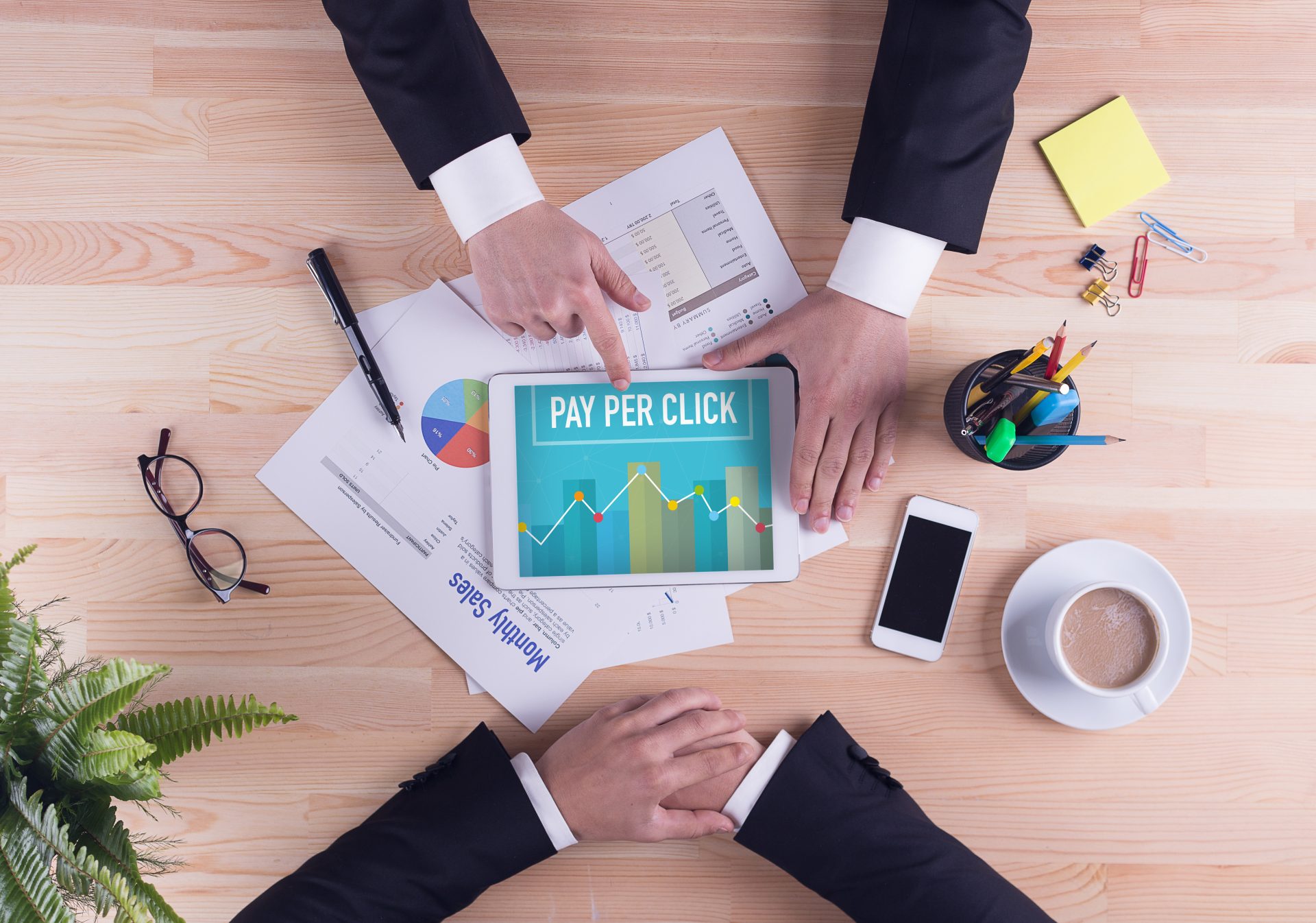
Arranging and coordinating your pay-per-click marketing (PPC) schemes can be time-consuming and expensive, especially if your campaigns are being formulated by inexperienced writers who are not enveloped in the trends of your industry. So, if you want to pave way for the best potential success and allow your advertising to grow and refine your e-commerce brand, you need to understand the breakdown of how relevant, exhaustive, and expansive this popular marketing tactic is and just how it can drive traffic to your amazing, e-commerce website.
What does professional pay-per-click marketing include?
While many factors contribute to how successful your pay-per-click marketing campaigns will be, one of the best things you can do is hire a company to manage it professionally. Needless to say, it’s worth knowing how the following fundamentals contribute to your eCommerce business.
Pay-per-click marketing is a way of buying visits to your website rather than attempting to earn those visits organically. There are also various forms of PPC, including search engine advertising, click-based adverts, and keyword campaigns. Search engine advertising allows e-commerce brands to bid for ad placement in a search engine’s sponsored links so that when someone is searching for something related to what your business is offering, your website pops up. On the other hand, click-based adverts can also appear in advertising spaces and each time they’re clicked, the brand pays the owner of that space for sending potential visitors to their site. The cost can vary on this particular form of PPC, but can also result in a hefty profit. Lastly, keyword campaigns include researching what terms are being used in the industry of the business and intelligently targeting them for clicks. All of the above are important and essential ways that you want to start using pay-per-click marketing successfully, however, it must be orchestrated the right way.
- Keywords: This refers to a collection of words or phrases that show a relation to your business, products or services. These keywords will help to bring you a higher quality of traffic and if selected uniquely, can easily knock out the competition.
- Landing page quality: Once you’ve crafted your PPC ads through the use of tight, keyword groups, you must then create optimized landing pages using persuasive content with tailored copy and a clear call-to-action.
- Quality score: The quality and relevance of your keywords and landing pages affect your PPC campaign, and advertisers with better scores will get more clicks at a lower cost.
- Creativity: Pay-per-click marketing is being competitively used by many companies everywhere, so enticing copy and designer-quality ads will demand the clicks that you deserve and ensure that you’re getting the best bang for your buck.
Pay-per-click marketing campaign suggestions
Digital advertising can prove to be a complex endeavor when you’re looking for effective ways to thrive within your competitive industry, so, here are a few tips that we’ve gathered that’ll help you perform successful PPC marketing.
- Keep things simple: Your purchasing process on your e-commerce site should be straightforward and uncomplicated. How easily is this done? Well, a seamless product search and navigation are a great start to get your shoppers to their specific needs.
- High-resolution images: If your product photos or page banners are low-quality, chances are that shoppers will just bypass buying altogether. So, be sure that all of your images are bright, clear and taken from many angles.
- Great copy: Everyone loves to read about the products they’re perusing before committing to their purchase, likely because it’s important to make sure that a specific product meets their needs. That’s why thought-provoking, edited copy is another great way to better your chances of encouraging an e-commerce transaction.
- Upgrade your shopping cart: It should be easy for your customers to change their item quantity, remove an item and to calculate their shipping and tax costs.
- Offer multiple payment options: Whether you credit cards, PayPal or even newer technologies such as Google checkout to make your purchases, your customers will appreciate the options.
Once created, new PPC campaigns will need to be managed regularly to ensure that they’re still effective. New keywords should be added to expand the reach and landing pages should be refined to include modified content, so, if you’re not ready to be evaluating your performance and improve the activity, let a professional digital marketing company handle the upkeep for you.
What do you find most interesting about this method of digital marketing? Drop a comment below to start a conversation.

Alex Wilks has been working as a copywriter and digital marketing strategist since 2018, with added specialties in social media and email marketing. With a Bachelor’s Degree in Journalism and Communication, she is a natural content writer with the ability to connect well with her target audience.