855.686.4649 ext.707

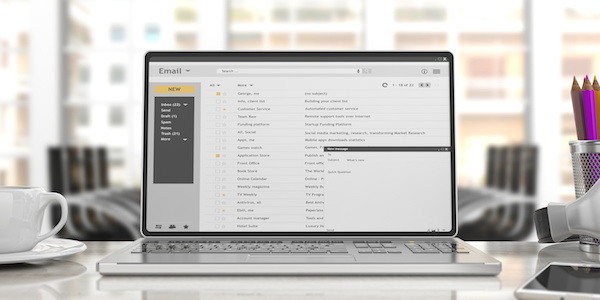
Email performance often softens gradually, then suddenly becomes a revenue problem when automations, campaigns, and consent rules stop working together. For ecommerce teams heading into winter planning and early-year retention pushes, diagnosing list decay now can prevent wasted sends, distorted reporting, and missed repeat-purchase opportunities.

Understanding Email List Decay in Ecommerce
Email list decay goes beyond just inactive subscribers. It’s a structural issue impacting your repeat revenue.
- Falling click quality — More opens, fewer clicks to product pages.
- Rising inactive segments — Unopened flow emails stacking up.
- Lower flow efficiency — Cart reminders triggering abandonments.
- Repeat buyers dropping out — Missing post-purchase sequences.
Seasonal dips in engagement are normal. List decay is distinct — a gradual erosion of your core audience and revenue streams. For prevention tactics, review How to Build an Email List for E-Commerce Success.
Audit Consent-State Automation Gaps to Protect Revenue
Mismatched consent across checkout, CRM, and ESP can silently block emails, breaking welcome, browse, and cart journeys. For example, a BigCommerce store might get consent in checkout, but if that isn’t synced with their ESP, post-purchase emails won’t send. Or a Magento merchant may have consent on-site but miss updating CRM states, cutting off win-back flows.
Document consent points and syncs across each platform stack, whether WooCommerce, custom builds, or off-the-shelf. Confirm that each consent border—forms, checkouts, CRM, ESP—is passing updates. Otherwise, you’re emailing incomplete lists. For a broader audit process, see Email Automation Audit for Ecommerce: A 30-Day Sprint to Fix Segmentation, Frequency, and Cross-Channel Messaging.
When to Resend and When to Let Go
Resend campaigns can heal or harm. Use send frequency and suppression rules to decide:
- Hot audiences (recent buyers, engaged subscribers): Try 2–3 resends to max opens.
- Warm audiences (browse abandoners 7–14 days): One resend, then pause to avoid fatigue.
- Cold audiences (30+ days inactive): Save sends and consider re-engage campaigns.
Holdout testing helps here. Mute one group then track sales. Are flows pulling new revenue or just advancing already planned purchases?

Forecasting Repeat Revenue Amid Channel Overlap
Flows and campaigns often overlap. A sale might credit both a cart flow and a weekend blast. To forecast accurately:
- Chart each sale’s true driver (flow, campaign, or both).
- Adjust forecasts for double attributions (reduce expected revenue by one).
- Track how often flows confirm campaigns (e.g., flow win-back after a weekend email).
This clarity avoids overspending based on inflated email attribution. For cross-channel coordination, see Cross-channel integration: Maximizing the impact of your campaigns.
Stabilize Deliverability With a 60-Day Action Plan
- Week 1: Clean suppressions (remove bounces, disengaged unsubs, update spam reports).
- Weeks 2–3: Rebuild core segments (active, warm, cold) with consistent engagement windows.
- Weeks 4–5: Implement consent checks (document and fix sync gaps across ESP, CRM, checkout).
- Weeks 6–7: Set resend rules (hot = 2–3 resends, warm = 1, cold = skip) and build holdout tests.
- Week 8: Establish QA routines (monthly suppression reviews, consent sync audits, and flow health checks).
When internal resources are tight, Trek’s managed lifecycle team can stabilize and optimize your email program while your team focuses on growth initiatives. A helpful starting point is an ecommerce lifecycle automation audit.
Wrapping Up: Diagnosing and Fixing Email List Decay in Ecommerce
Email list decay is more than fading engagement—it’s lost revenue from broken automations and consent gaps. Ecommerce brands that diagnose decay, align consent across platforms, use smart resend logic, and forecast with channel clarity can rebuild stable, revenue-generating email pipelines.
Facing list decay or needing a fresh audit? Trek’s ecommerce lifecycle email experts can identify gaps, implement fixes, and set up ongoing health checks to protect your repeat revenue. Reach out to learn how we make email a reliable growth engine again.
For deeper insights into email attribution and repeat sales, explore our analysis on how ecommerce teams track automation revenue versus campaigns.